Why “Eco” Still Loses to “Cheap”: What Polish Construction Data Reveals About the Real Pace of Decarbonisation
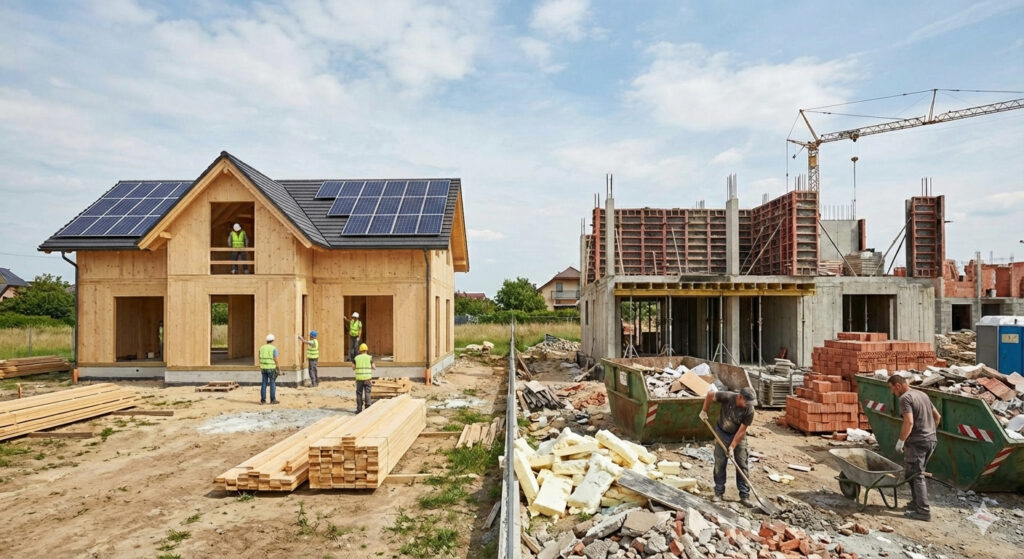
This article analyzes the latests reports from the Central Statistical Office, showing how construction trends are changing in Poland.
By Nabil Mohareb Associate Professor in The American University in Cairo, Egypt UIA SDGs Commission Introduction As Jane Jacobs pointed out, “There is no logic that can be superimposed […]
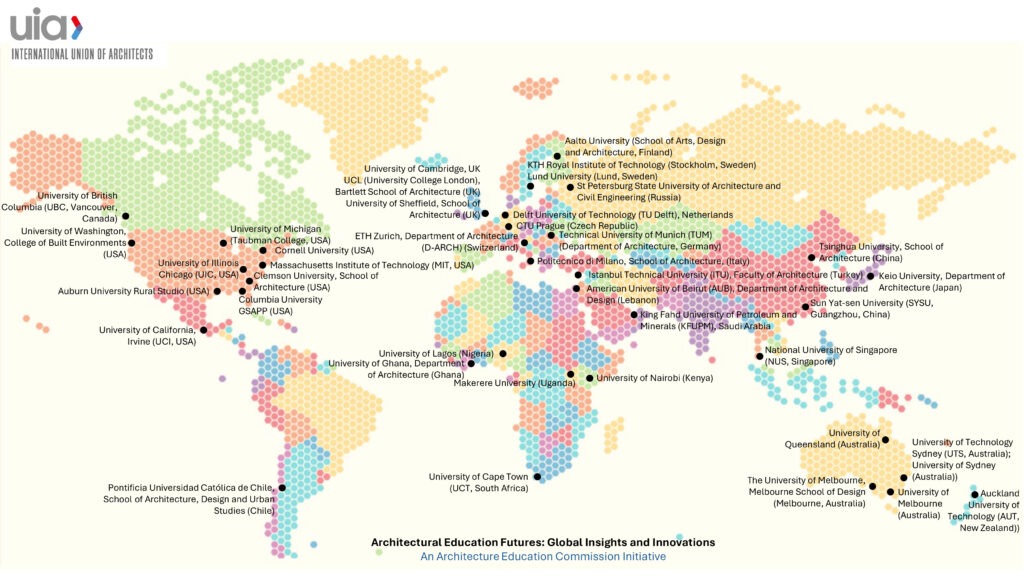
With guidance and support by the UIA President and Board, the UIA Global Survey 2025 was conducted; it is the most comprehensive, data-driven analysis of architectural education yet produced, comprising 345 schools across 159 countries.
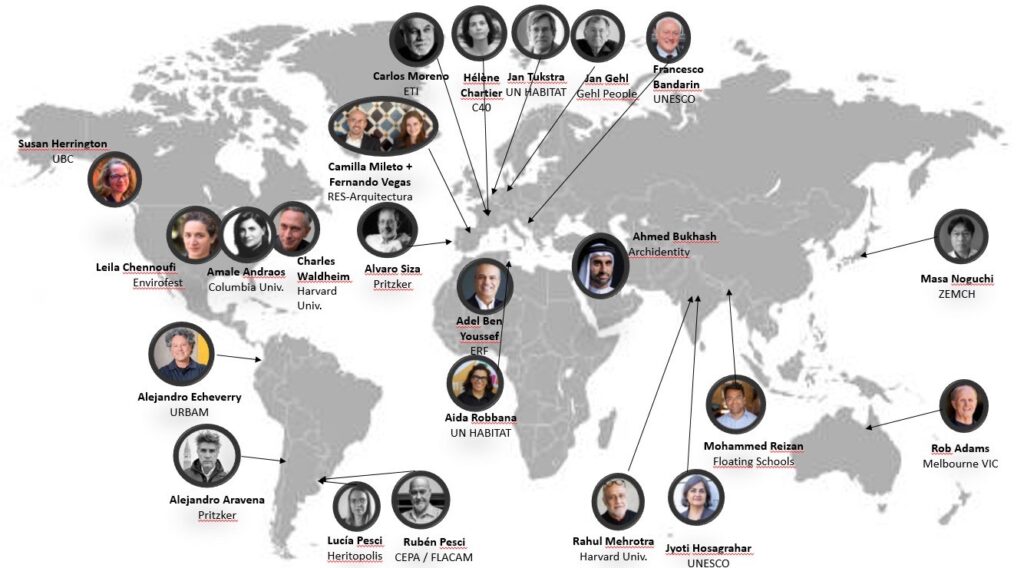
The International Union of Architects (UIA) Educational and Cultural Spaces Work Programme actively facilitates international dialogue and knowledge exchange that have evolved in the architectural field over the past 75 years.
When people talk about sustainability, they usually think of three pillars: environmental, social, and economic. These are important, but they leave out something essential—culture. Without culture, sustainability can become a checklist of numbers and certifications that ignore the way people actually live, remember and connect to places.
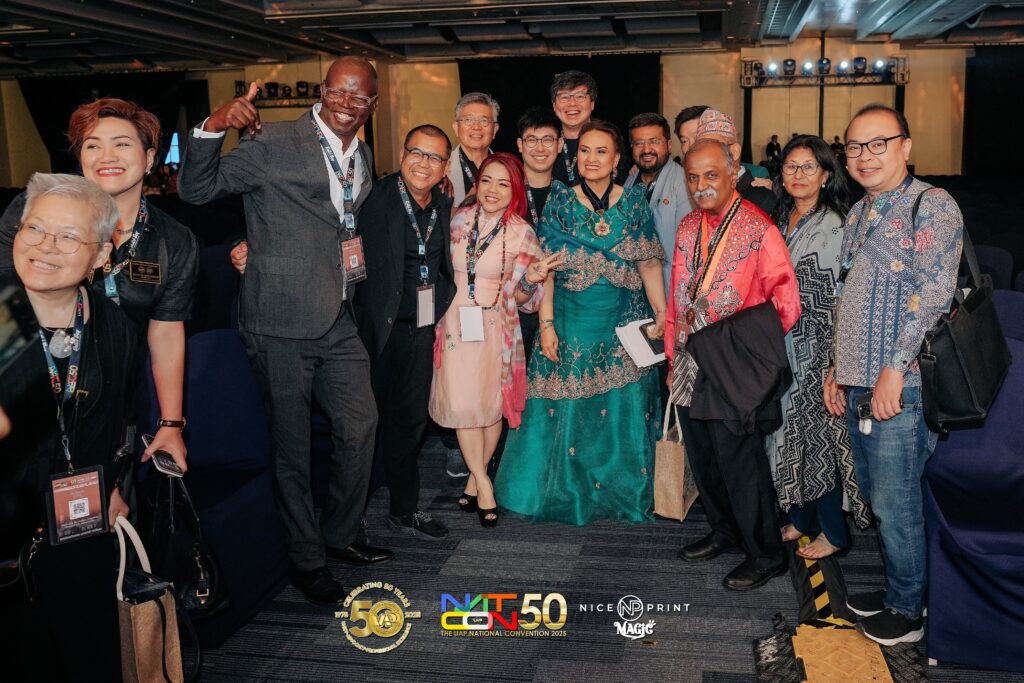
The 50th National Convention of the United Architects of the Philippines (NATCON50) celebrated more than just a golden milestone of Filipino architectural excellence, it showcased the profession’s critical role in addressing the world’s most pressing crises. Among the most impactful sessions was “Architecture and Beyond,” anchored by the UIA WP NHD.
In the current context of rising migratory mobility, territories with a heavy historical burden face complex dilemmas related to what should be considered spatial justice. This article reflects on the tensions that arise when the morphology of Andean villages, historically and symbolically charged , is transformed by foreign communities seeking to establish alternative forms of spiritual life.
The understanding of architecture from the early years is a cornerstone in the children’s cognitive and emotional development. Research reveals that learning about architecture helps children and young ones develop their critical thinking, improve imagination and lead to creativity.
The intersection between disability and good design requires more than accessibility standards and code requirements, awareness building and advocacy. Only with the full participation of people with disabilities in the design and development process will real inclusion be achieved. This means that by working directly with end users , we can create greater understanding and more practical and positive solutions for accessible architecture. This paper will introduce a case study experience, as an architect, and through it confirm the importance of human participation in the design process, and the need for post-occupancy evaluations of completed projects.
The role of a planning architect specializing in the design and control of sports facilities is crucial in any project team, as they analyse specific variables such as capacity, type of event, location, surroundings, crowd dynamics, construction characteristics, entry limitations, and circulation, among many others.