The South African Institute of Architects (SAIA) highlights the work of several women architects whose projects demonstrate innovation, contextual sensitivity, and a strong commitment to social and environmental responsibility.
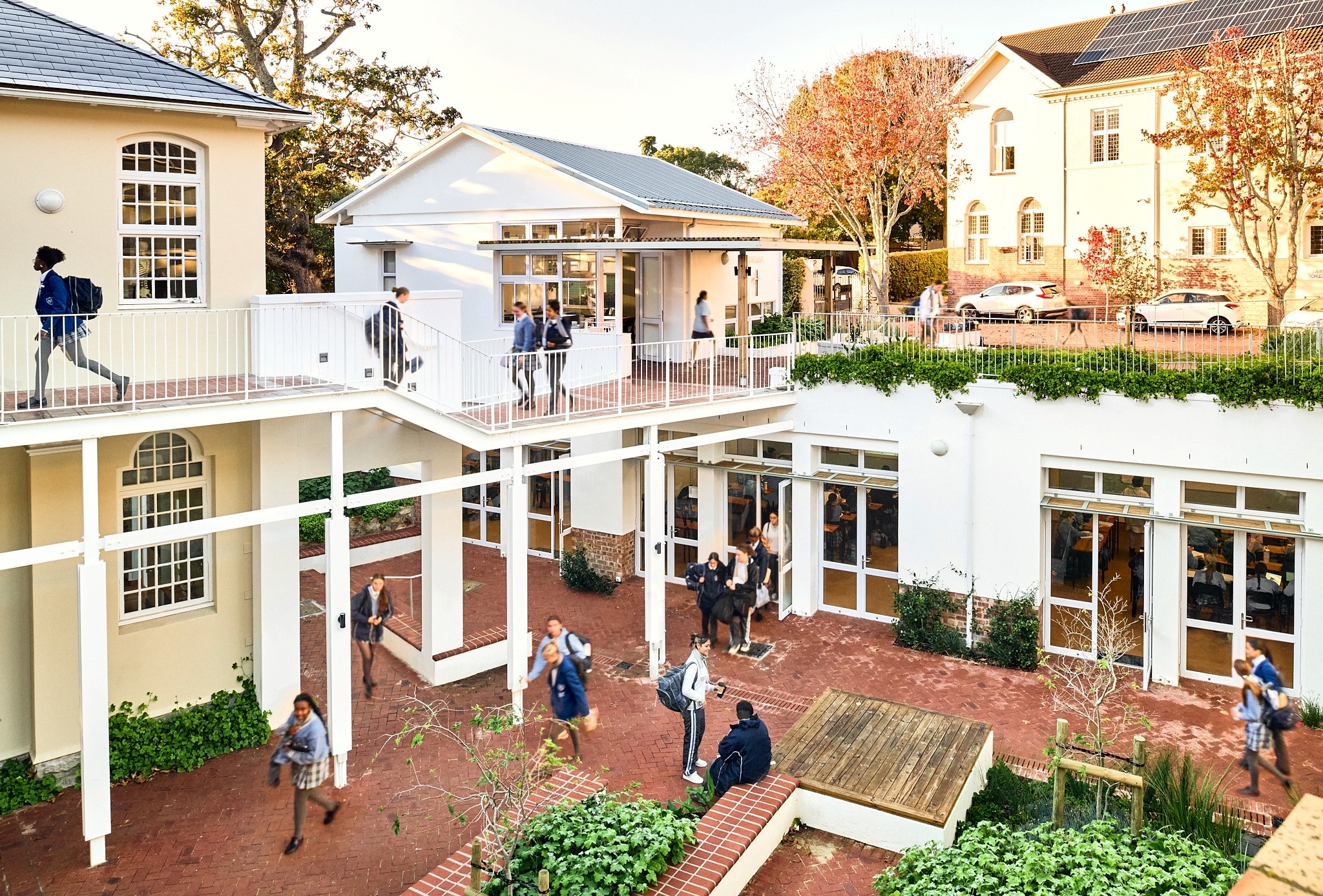
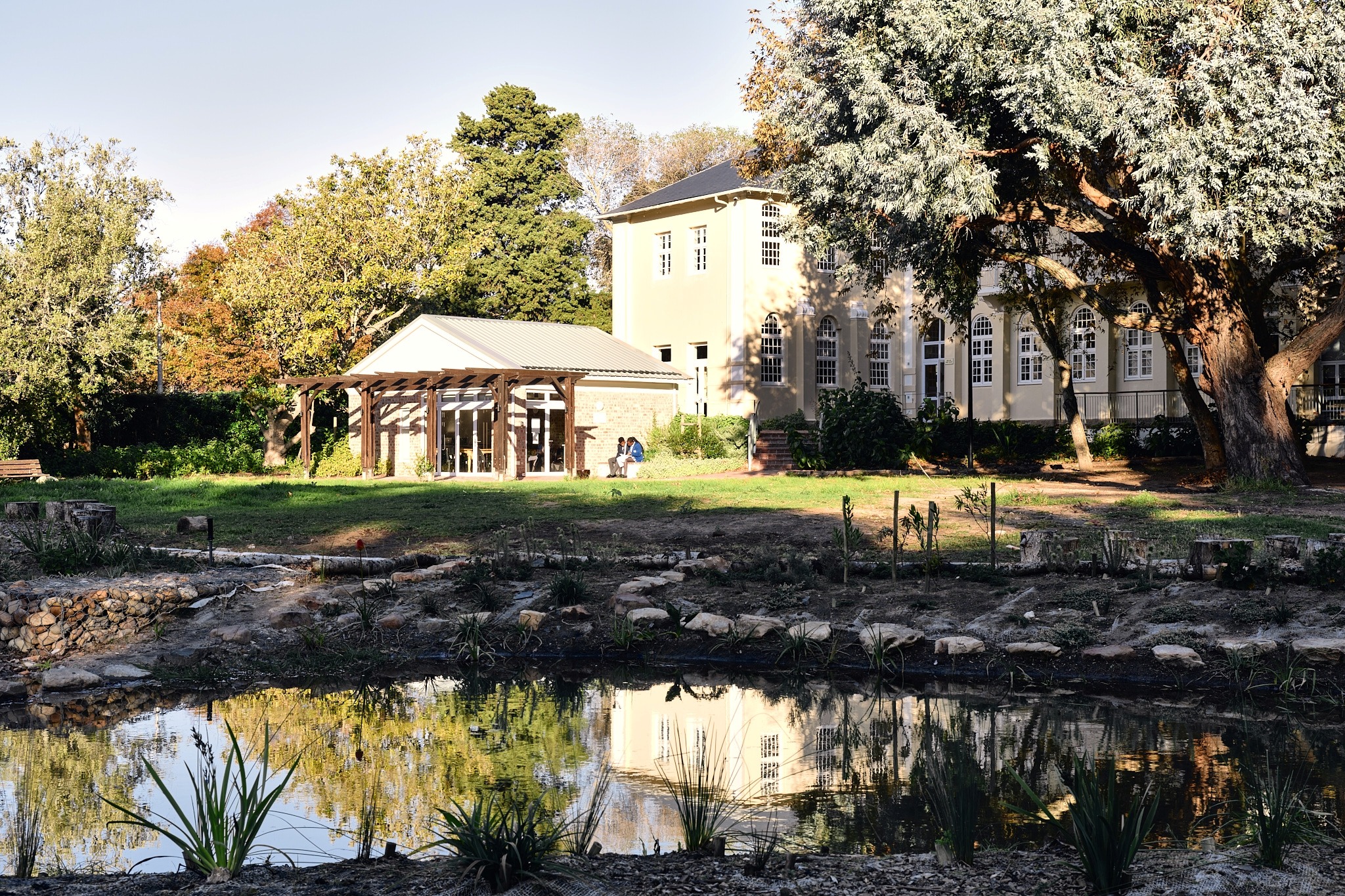
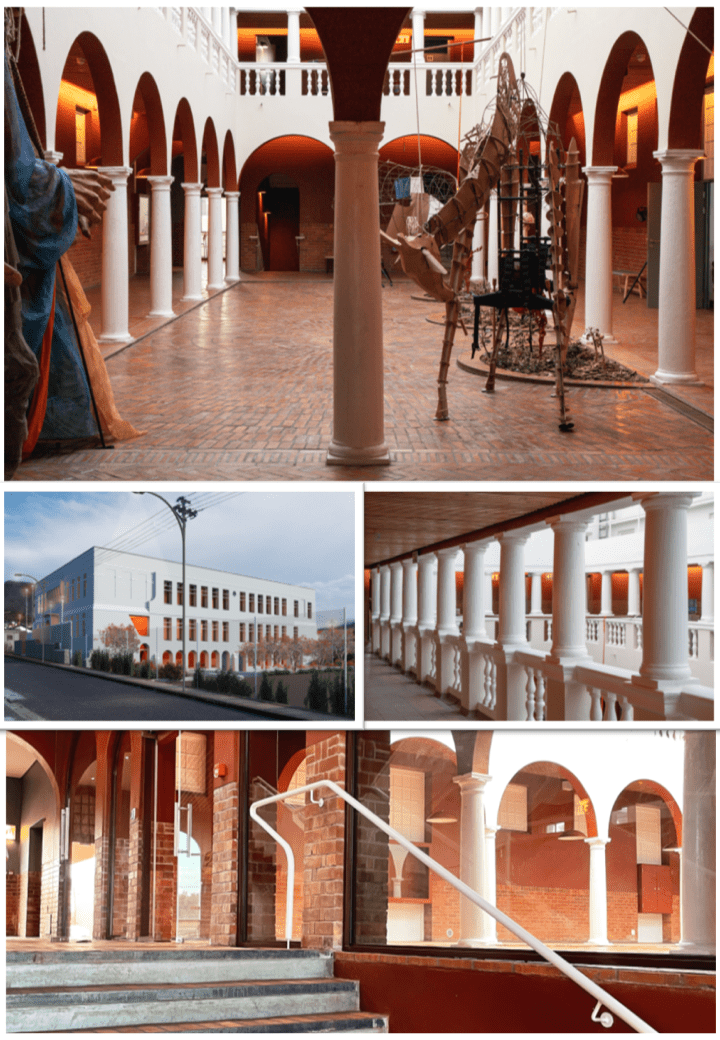
The practice CCNI Architects received a commendation for the New Classrooms at Springfield Convent School in Wynberg. The project forms part of a long-term campus framework and carefully integrates contemporary architecture within the historic fabric of the school. Positioned in a courtyard framed by existing buildings, the new classroom block reinforces the spatial geometry of the campus while strengthening the relationship between architecture and landscape. Designed in collaboration with landscape architects TK-LA, the project blurs the boundaries between indoor and outdoor spaces, allowing classrooms and circulation areas to connect naturally with the surrounding gardens and tree-lined courtyards. Through restrained massing, sensitive material choices, and carefully planned learning environments, the project enhances both the heritage setting and the daily life of the school community.
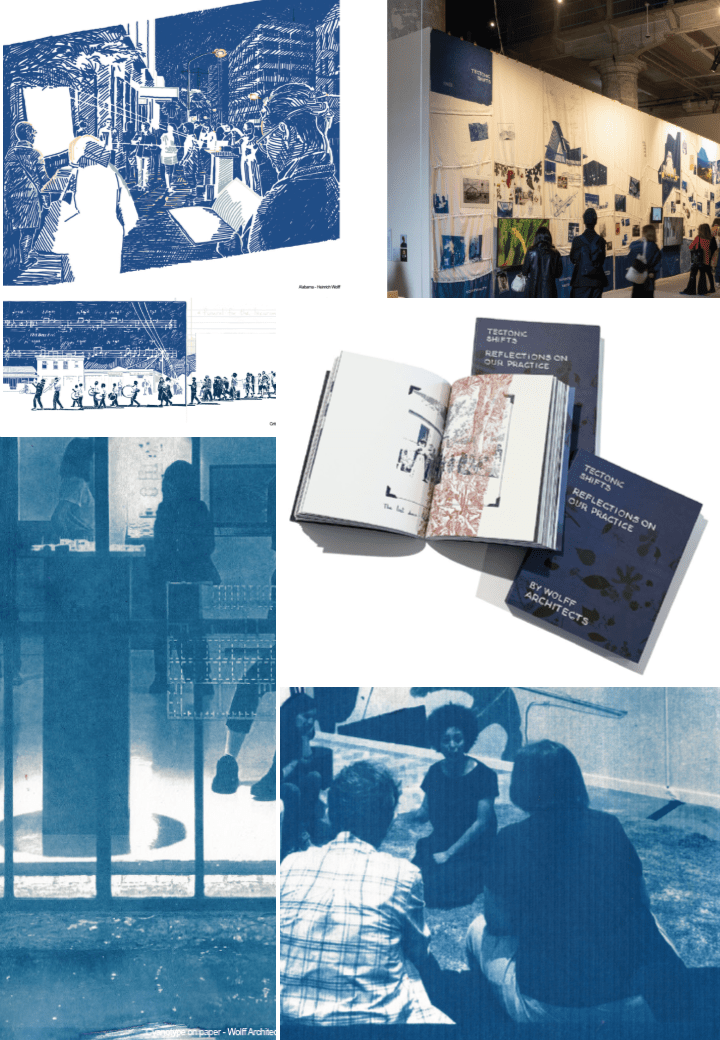
Wolff Architects were recognised with a CIfA Award for Architecture for the CHR’s Iyatsiba Lab in Woodstock, a refurbishment and transformation of a historic nineteenth-century school building for the University of the Western Cape’s Centre for Humanities Research. The project reimagines the building as a vibrant hub for interdisciplinary research and arts programmes, including puppetry, documentary film, and sound studies. Respecting the heritage character of the structure, the architects introduced contemporary architectural interventions such as a dramatic atrium roof, sculptural lighting, and dynamic interior elements that create an engaging and flexible learning environment. The Iyatsiba Lab has gained national and international recognition for its role in supporting arts-based research and fostering social dialogue in post-apartheid South Africa.
SAIA also highlights the work of architect Nadine Engelbrecht, whose residential projects have received several regional awards from the Pretoria Institute of Architecture and SAIA Free State. Her projects—including Everyday 1949, Parys Huis, and After the Fire—demonstrate a thoughtful approach to adaptive design, sustainability, and context-responsive architecture.
Everyday 1949 carefully renovates and expands a modest mid-century house in Pretoria, preserving its historical character while introducing open, light-filled living spaces that reconnect the home with its garden. Parys Huis, located near the Vaal River, reflects a calm and restrained architectural language that balances climate responsiveness with the personal needs of its residents. Meanwhile, After the Fire reconstructs a farmhouse on a private game farm using durable, locally sourced materials such as stone masonry and exposed concrete, creating an off-grid dwelling that integrates the remnants of the original structure with a new sustainable design.
Together, these projects illustrate the diverse ways in which South African women architects are contributing to architectural culture, from educational and cultural infrastructure to innovative residential design rooted in landscape, heritage, and sustainability.