2026 Laureate – The Vassilis Sgoutas Prize for Implemented Architecture Serving the Impoverished
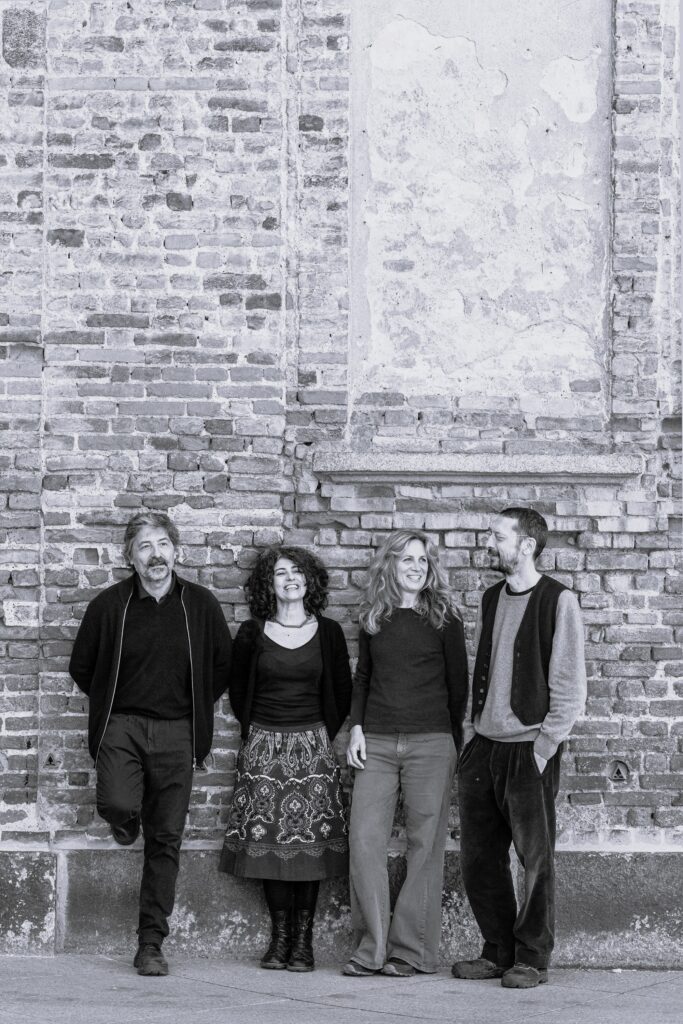
caravatti_caravatti (Italy) is an architectural practice based in Monza, founded in 1994 by Emilio and Matteo Caravatti.
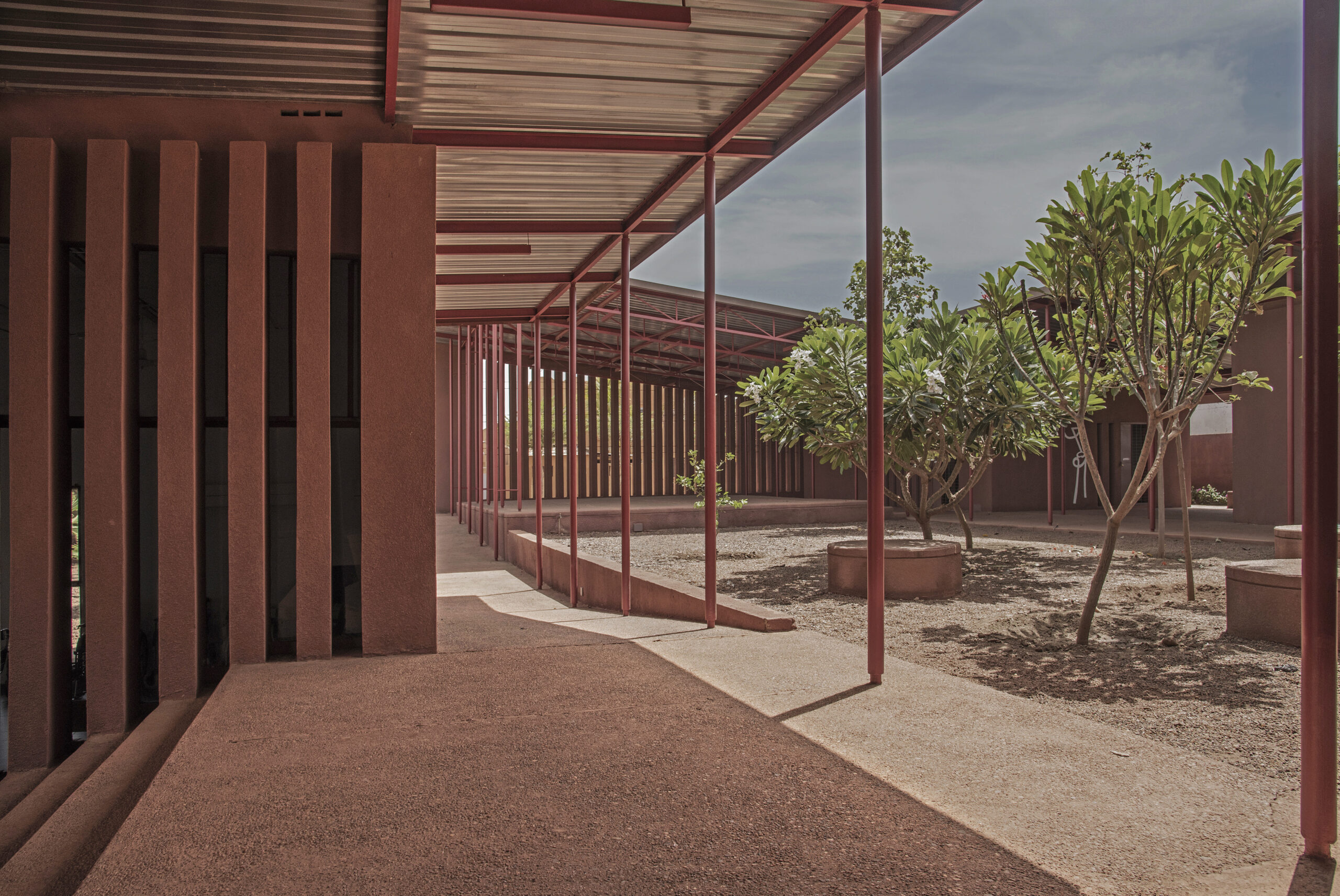
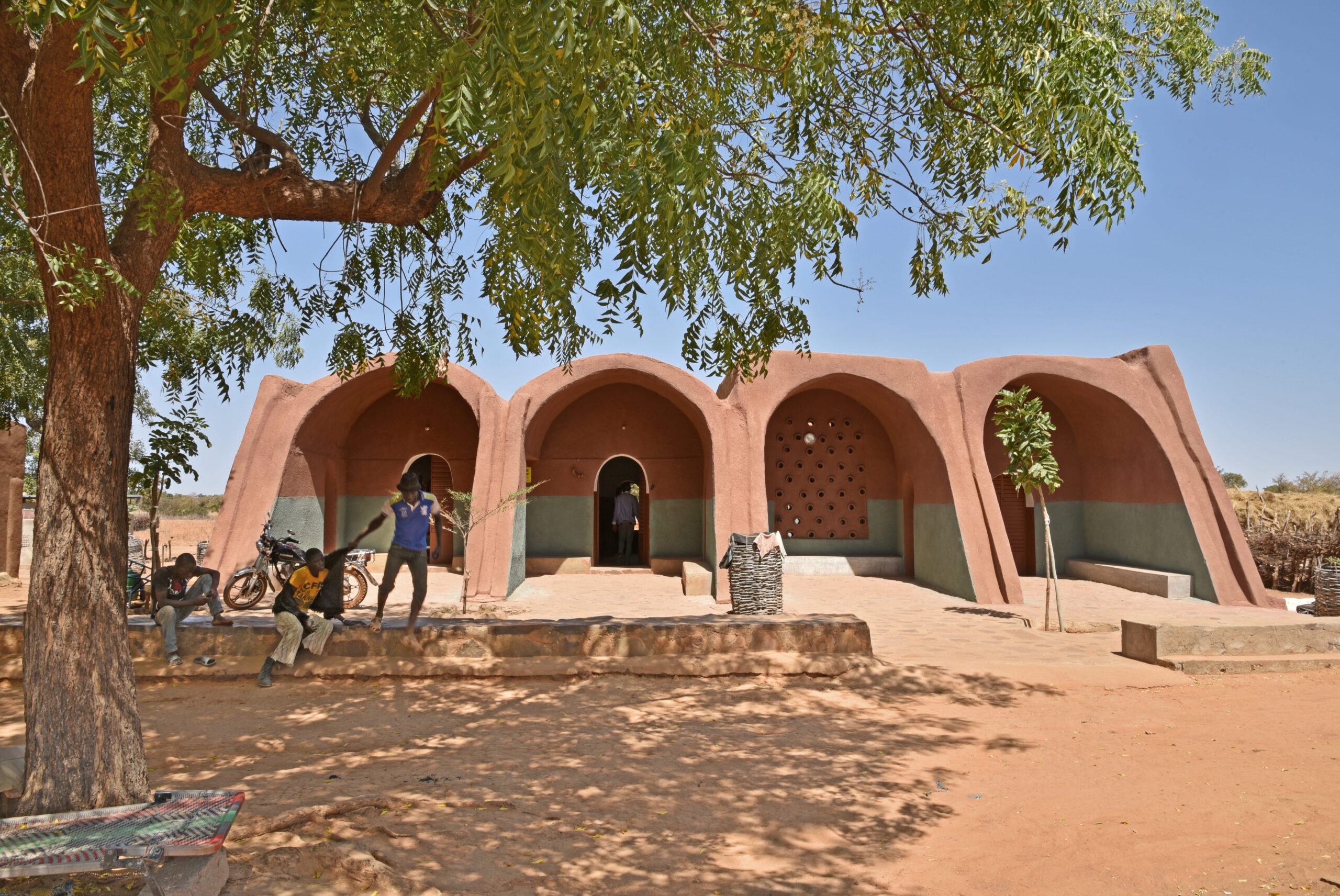
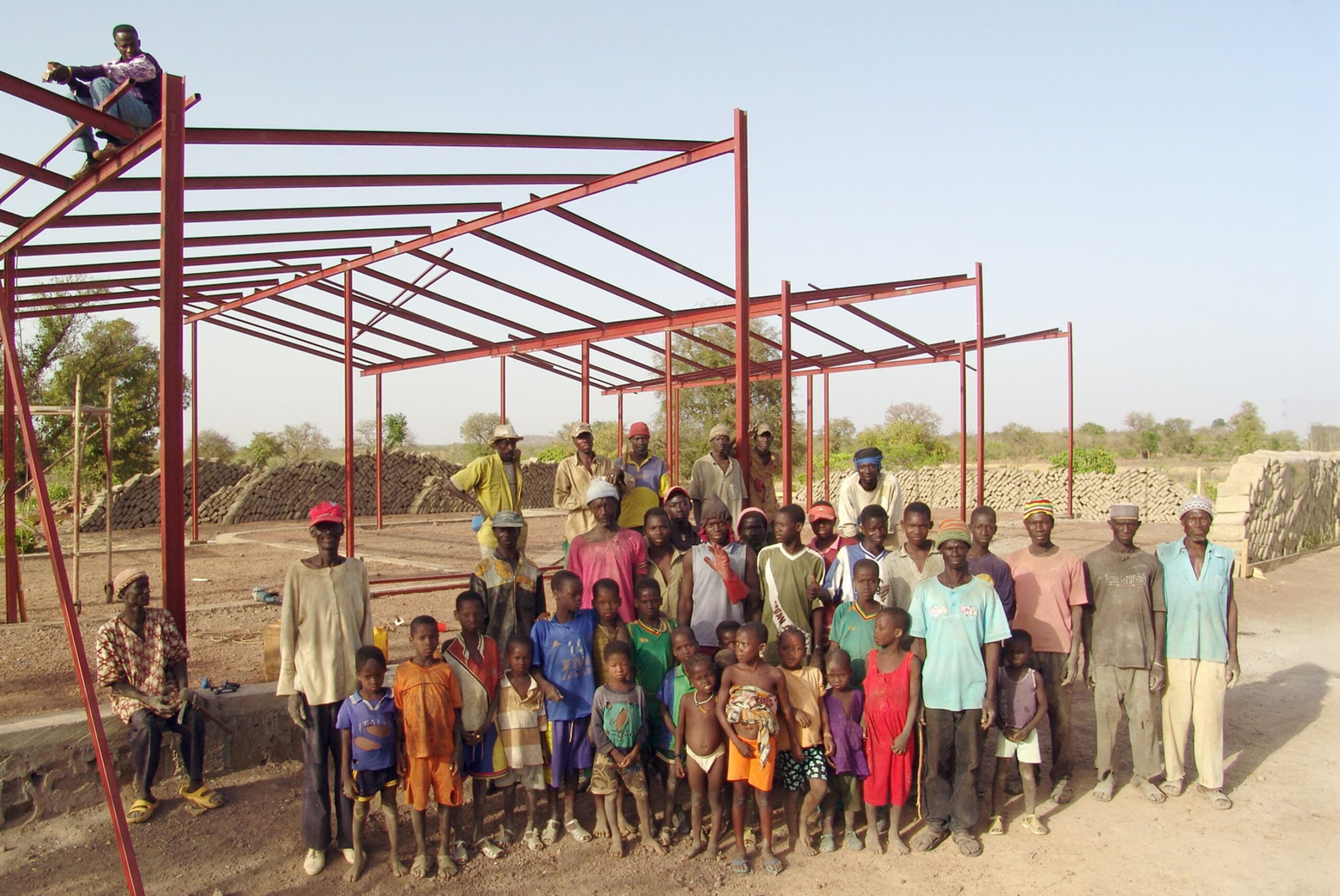
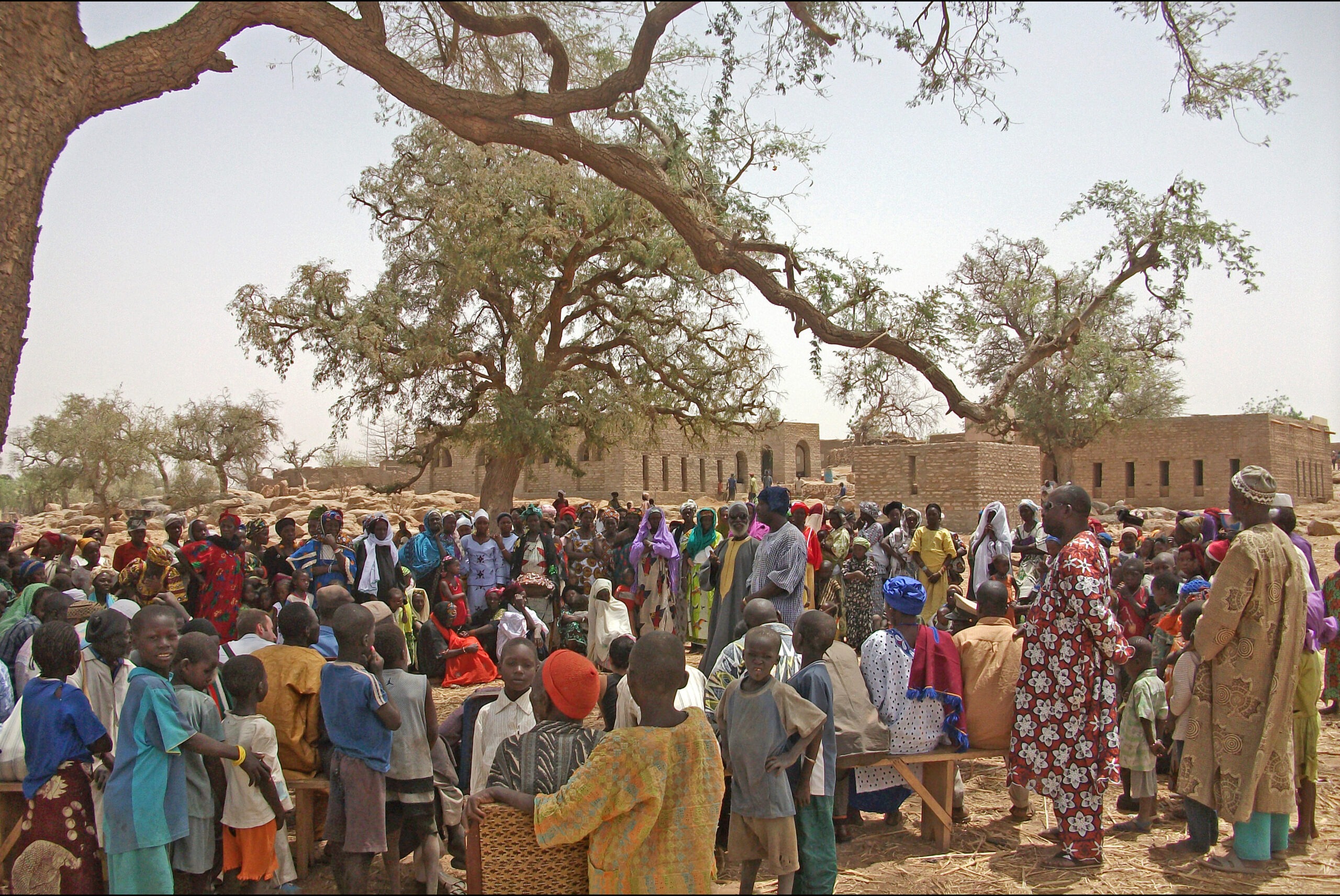
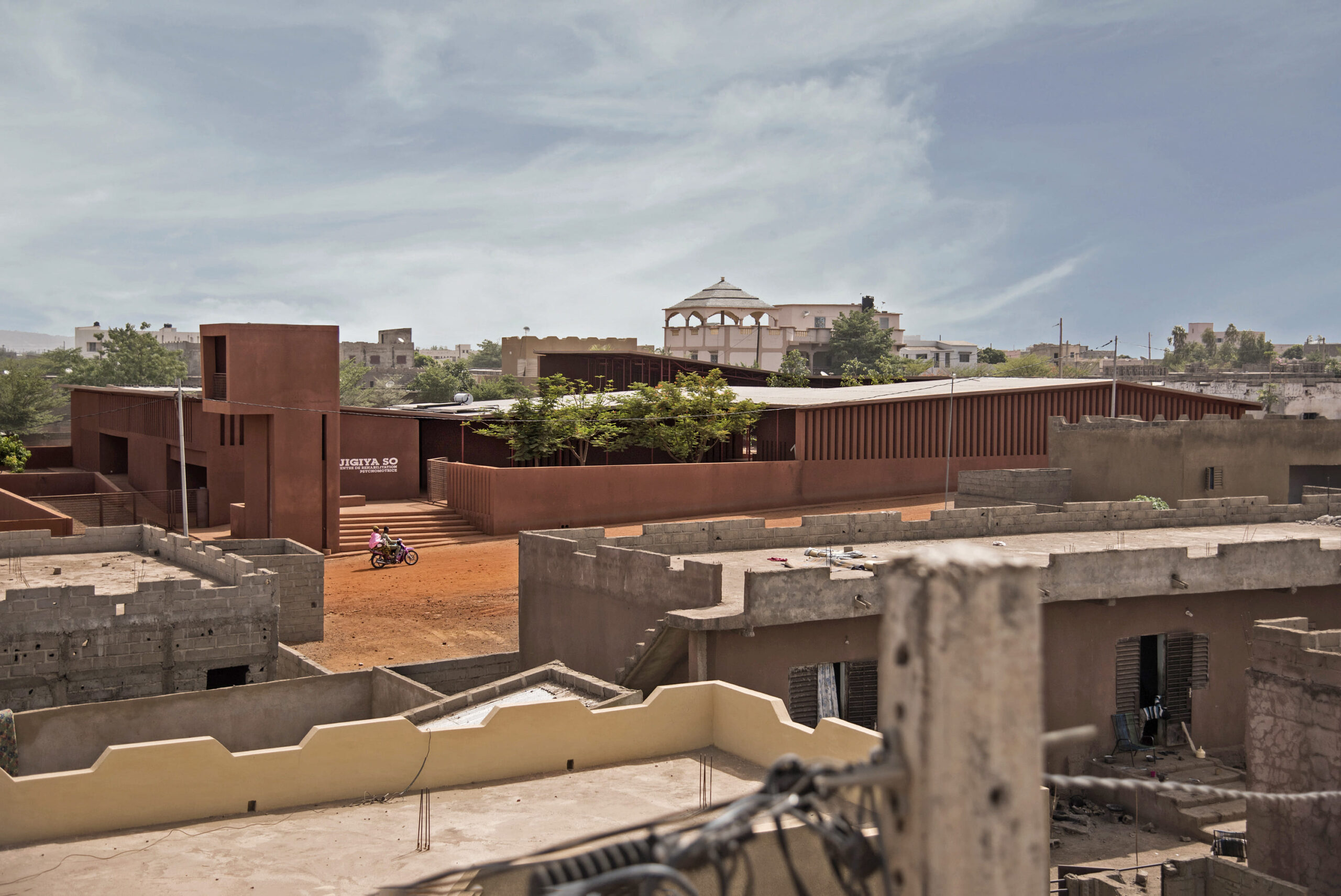
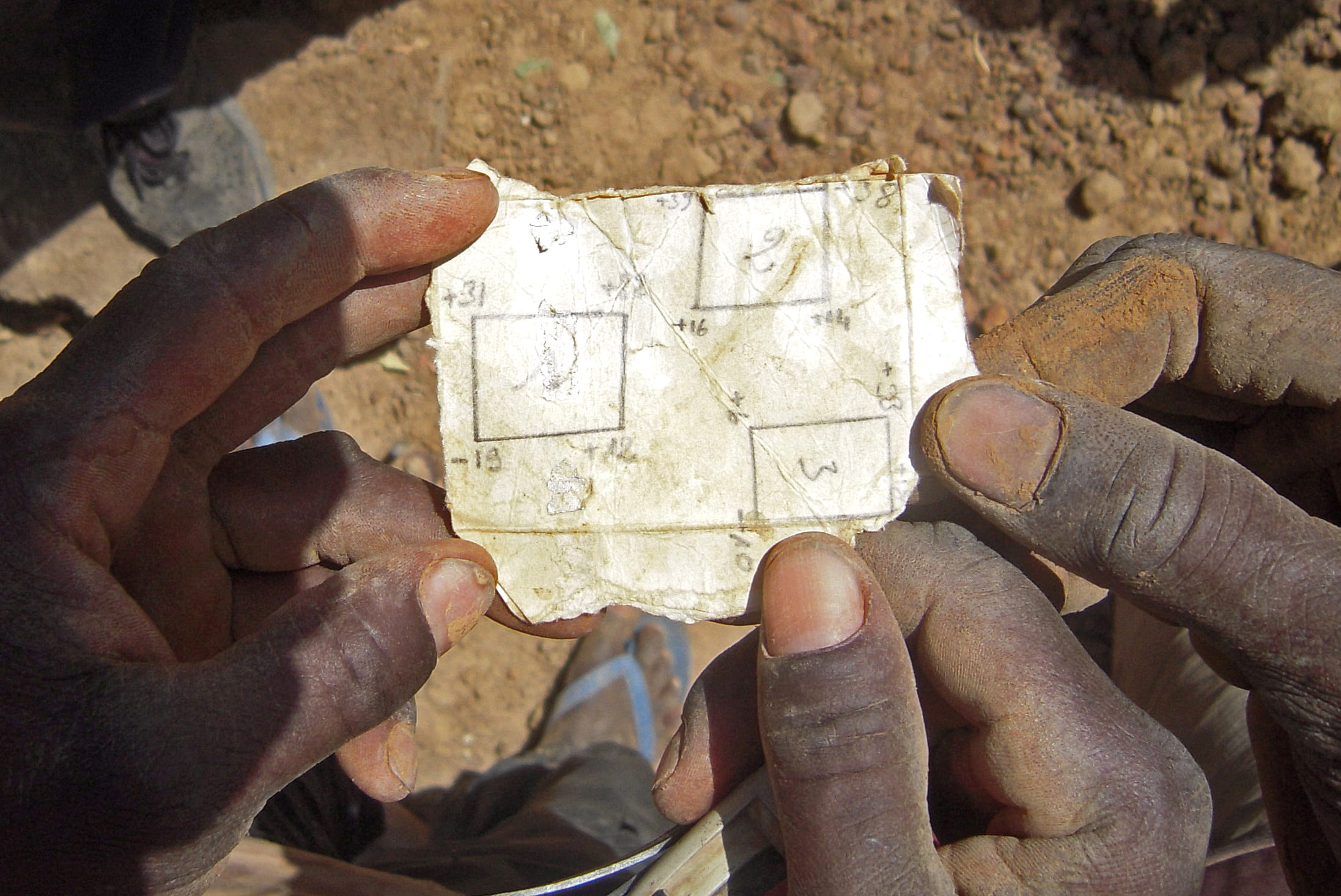
Their work focuses on architecture as a tool for social engagement, with particular attention to contexts marked by economic fragility, marginality, and limited access to resources. Through both design and construction processes, they have developed approaches that integrate community participation, local materials, and knowledge transfer into projects addressing housing, education, healthcare, and public space.
Expanded in 2010 with Chiara Gugliotta and Elena Verri, the practice operates across European urban contexts and projects in West Africa, combining professional practice with research and collaborative initiatives. Across their work, they have contributed to the development of participatory and context-based architectural processes, where construction sites function as spaces for learning, collaboration, and social exchange.
Their projects have been presented in exhibitions and academic contexts, and include community facilities such as schools, libraries, and rehabilitation centres developed in collaboration with local populations.
Jury’s remarks
“caravatti_caravatti is recognised for conceiving architecture as a vehicle for social responsibility, collective growth, and emancipation.”
Their practice understands architecture as an inherently political and cultural act, developed through participatory processes that engage communities and mediate between rights, needs, and resources in contexts of inequality and exclusion.
Working across disadvantaged contexts in West Africa and southern European cities, they demonstrate an ability to bridge tradition and innovation, building upon local knowledge, material practices, and climatic intelligence. Through participatory design and incremental construction, their work transforms architecture into a collective civic act, fostering long-term social, environmental, and cultural sustainability.