By Thomas Chung and Natalia Brener, Co-directors of the UIA Public Spaces Work Programme
Introduction
Public space—streets, parks, squares, waterfronts, commons, and civic interiors—is foundational to wellbeing, democratic expression, climate resilience, and socio‑cultural identity. Yet it remains under‑protected and under‑funded in many contexts, vulnerable to privatisation, encroachment, and uneven access. The International Union of Architects (UIA) Public Spaces Work Programme (WP) for 2023–2026 sets out a pragmatic, multi‑scalar roadmap through three linked objectives: (1) develop a Framework Instrument to evaluate public space quality and performance; (2) deliver a Peer‑reviewed Special Issue of The Journal of Public Space to consolidate methods and debate their applicability; and (3) document and promote Participatory Processes across design, governance, and maintenance of public space. The roadmap articulates strategic partnerships with international organisations such as IFoU (International Forum of Urbanism), City Space Architecture, The Journal of Public Space and UN-Habitat, aiming for a culmination at the UIA World Congress Barcelona 2026 that will integrate evidence, scholarship, and co‑creation. Aligned with UN‑Habitat’s Public Space Charter and Global Public Space Toolkit, the roadmap couples measurable criteria with lived experience, enabling cities and countries to mainstream public space in policy, finance, and practice, and to operationalise SDG 11.7 through city‑wide assessment, legal instruments, and inclusive governance.
Why Public Space, Why Now?
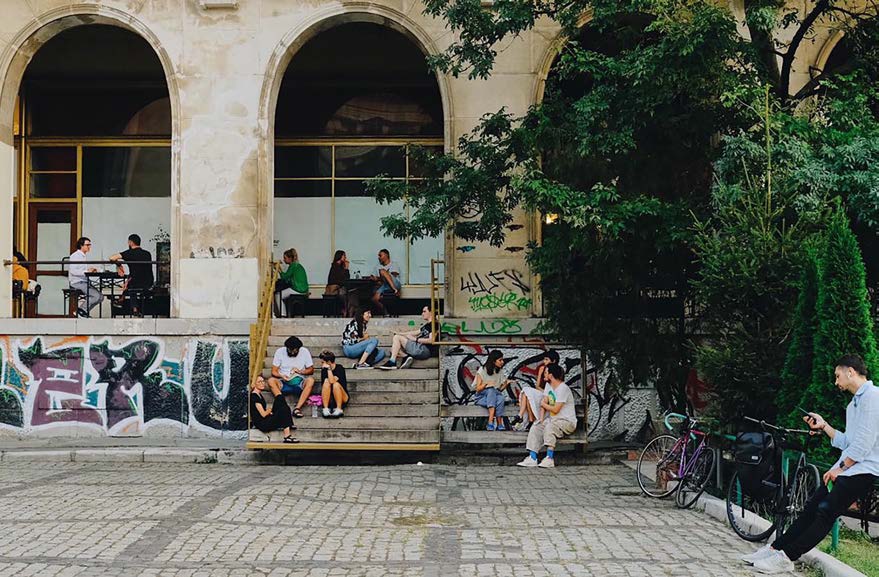
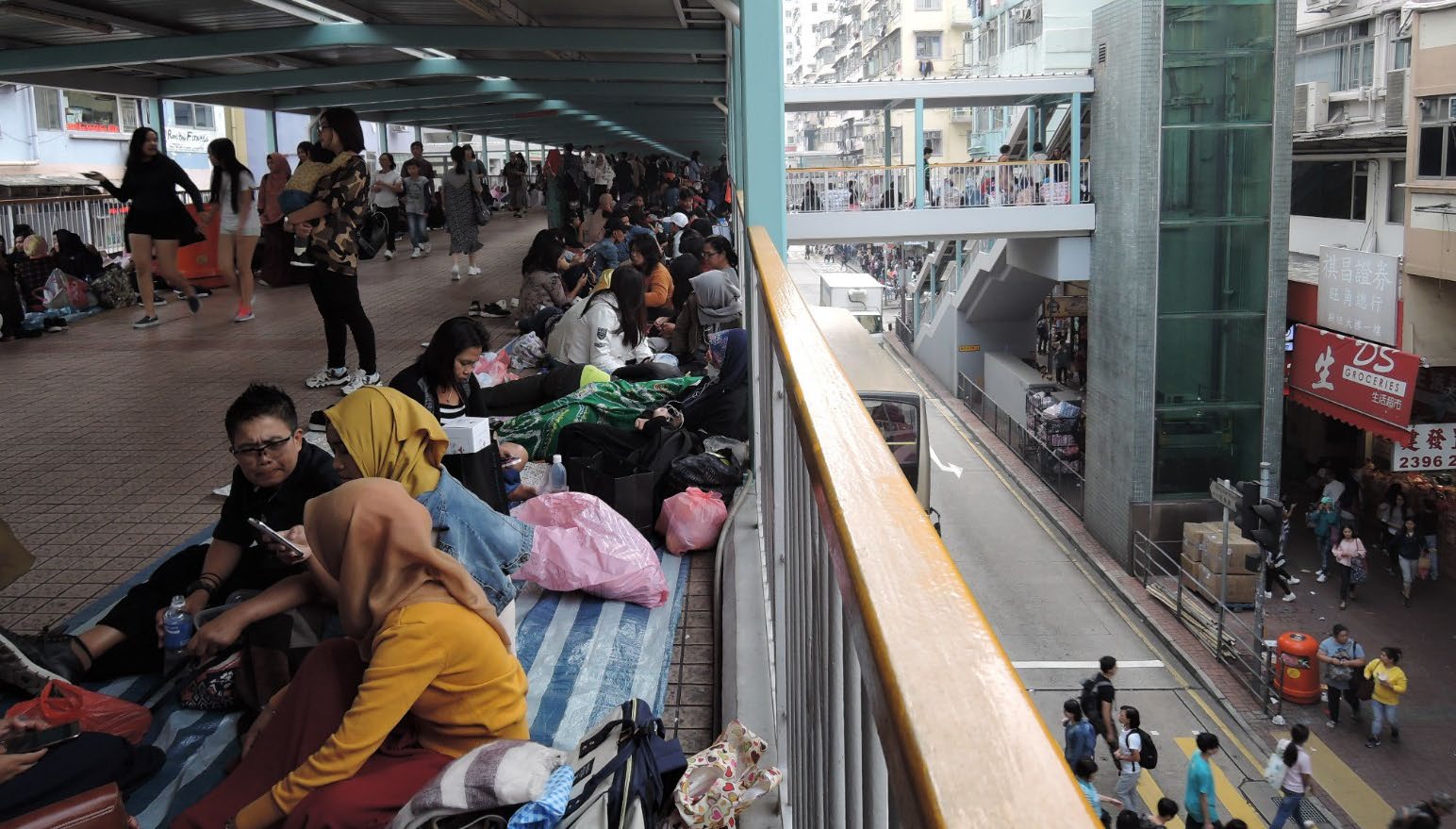
Public space is not residual land between buildings; it is the arena of everyday life where people gather, rest, celebrate, protest, and negotiate differences. As cities densify and rural territories evolve, public space underpins health, identity, social learning, and democratic expression. The UIA Public Spaces Work Programme foregrounds this reality by studying healthy, sustainable public spaces and sharing success factors with public authorities and practitioners. Its remit spans multi‑use design, protected urban nature, accessible green areas, and advising local governments on retrofitting obsolete spaces. This focus resonates with UN‑Habitat’s Public Space Charter and Global Public Space Toolkit, which affirm public space as a public good and organise action around a “why–what–how” structure—linking the case for public space to goals, constraints, enabling policies, and implementation tools such as city‑wide assessments and indicator sets for SDG 11.7.1.
The UIA Roadmap: Three Objectives in Concert
The WP advances three mutually reinforcing objectives that connect metrics, scholarship, and participation into an actionable global agenda.
1) Framework Instrument for Public Space Performance
The evaluation framework bifurcates into static/measurable chapters and dynamic/perceived dimensions. The static chapters cover: Inclusive Design (30 criteria), Cultural Diversity & Social Equity (35), Climate Resilience (20), Economic Sustainability (10), and Shared Responsibility/Governance (16). The dynamic dimensions— Human‑centredness, Freedom & Resilience, Belonging, Healing, Collective Stories, and
Mixed Uses—are each rated on a 1–10 scale. A provisional maximum (e.g. 194 points) and a working threshold (near 100) distinguish performance.Crucially, the framework recognises that perceived quality can mitigate objective deficits, with “small victories” such as reclaiming derelict or privatised spaces and community buy‑backs producing outsized social impact. The framework aims to be clarified and calibrated for equitable application across UIA’s five regions.
2) Scholarship and Debate via a Journal Special Issue
In partnership with The Journal of Public Space, the WP will curate a Special Issue interrogating frameworks, indicators, and impacts—explicitly engaging cultural specificity and subjectivity that conventional metrics may overlook. Titled “Rethinking Public Space Evaluation – Frameworks, Indicators, Impact (for Sustainable Urban-Rural Futures)”, the special issue involves a hybrid call, peer-reviewed articles, and guest editorial, culminating in a publication to be launched at the UIA World Congress Barcelona 2026. Embedded events — seminars, expert meetings, and networking with international partners — will anchor the WP’s research‑driven ambition and amplify relevance for policy and practice.
3) Documenting Participatory Processes
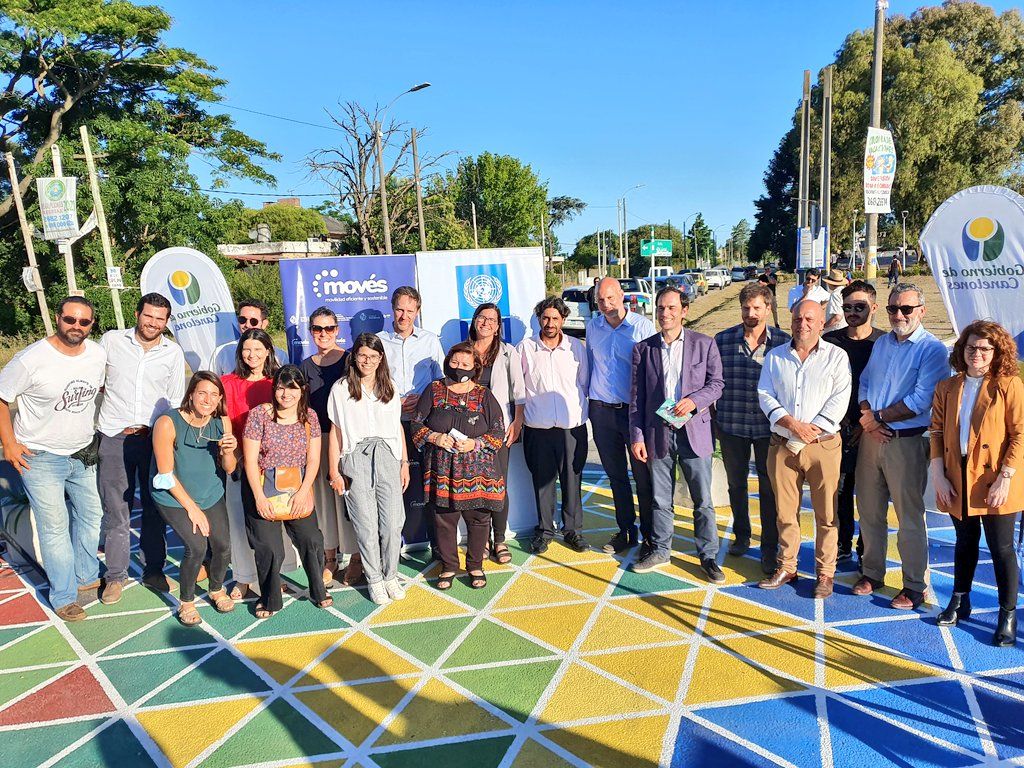
The WP will call for participatory experiences worldwide, survey regulations that guarantee participation, and systematise good practices by region. Participation spans diagnosis, co‑design, execution, and evaluation—embracing gender perspectives and diversity. This codification elevates co‑creation from ad hoc engagement to a transferable method, enabling cities to institutionalise community roles in public‑space governance.
Coherence with the UN‑Habitat Charter and Toolkit
The UN‑Habitat Public Space Charter defines public space as publicly owned or publicly usable, accessible, and enjoyable by all, embedding rights, hospitality, solidarity, conviviality, and democratic function. The WP’s emphasis on equity, identity, coexistence, and free access aligns directly with these values. The Toolkit’s tripartite “why–what–how” structure and its stress on policy directions, enabling legislation, and turning principles into action are mirrored in the WP’s roadmap: indicator development (tools and metrics), scholarly consolidation (knowledge sharing and critique), and participatory codification (governance and co‑management). The WP’s framework instrument aims to complement Toolkit elements such as city‑wide public‑space strategies, distribution and accessibility analyses, and integrated evaluation of streets and open spaces as a connected network.
Anticipated Impacts on Policy and Practice
The indicator framework can contribute to urban policy mainstreaming by recommending that governments embed public space within National Urban Policy and sectoral plans, specifying minimum provision ratios, quality thresholds, and governance mechanisms that deter encroachment and speculative conversion. City‑wide assessments inform policy revisions and funding allocations; the WP adds profession‑led criteria and cross‑regional comparability.
As for legal protections and financing pathways, cities and countries can codify easements, right‑of‑way standards, and public‑access guarantees; finance green and public spaces through inclusionary zoning, land‑value capture, and participatory budgeting; and track SDG 11.7.1 via harmonised methods (shares of built‑up area allocated to streets and open space). The WP’s governance recommendations aim to guide durable funding and stewardship models.
In terms of participatory planning and evaluation, policies can require participatory diagnostics and post‑occupancy evaluation, ensuring women, children, older persons, persons with disabilities, and marginalised groups are meaningfully included. Guidelines and suggestions for safe and inclusive public spaces offer replicable methodologies (sampling, mapping, activity counts, accessibility audits), which the WP aims to systematise and scale.
By acknowledging public space across urban and rural contexts—commons, waterfronts, agro‑ecological corridors—the WP aligns with resilience agendas that aspire towards urban– rural Integration and territorial equity. Dynamic/perceived criteria (belonging, healing, storytelling) capture cultural and ecological dimensions beyond conventional metrics, aiding regions where resources are limited but community agency is strong.
Working towards evidence‑based advocacy and international alignment, the Journal Special Issue will consolidate evidence, debate measurement validity across cultures, and disseminate methods compatible with the New Urban Agenda and SDGs. Its Barcelona 2026 launch will embed WP outputs within a high‑visibility platform themed as: Becoming. Architectures for a planet in transition, opening potential pathways for adoption by city leaders, ministries, and professional bodies.
Conclusion: Public Space as a Universal Right and Strategic Lever
The UIA Public Spaces WP roadmap operationalises a simple premise: quality public space is both a right and a strategy for healthier, more just, and more resilient societies. By integrating a calibrated indicator framework, a scholarly platform for critique and diffusion, and codified participatory practices, the WP advances a global architecture of public‑space policy and practice—grounded in UN‑Habitat’s Charter and Toolkit, responsive to diverse contexts, and primed for tangible uptake at Barcelona 2026.
Keywords: public space, public space as universal right, evaluation framework, participatory planning, co-creation
References
- Biennial of Public Space & UN‑Habitat. (2016). Charter of Public Space. See link.
- UN‑Habitat. (2016). Global Public Space Toolkit: From global principles to local policies and practice. See link.
- UN‑Habitat. (2022). City‑wide public space assessment tool (STI Forum Side Event). See link.
- UN‑Habitat. (n.d.). Global Public Space Programme: Public space strategies, local public space [Presentation].
- Maria Duda (2025) UIA Report for the Romanian Order of Architects.
- Ministry of Local Government (Palestinian National Authority) & UN‑Habitat. (2022). Safe and inclusive public spaces: A guide to assess and design public spaces. See link.
- The Journal of Public Space & International Union of Architects. (2024) UIA Special issue: Rethinking Public Space Evaluation. https://www.journalpublicspace.org/index.php/jps/Rethinking-Public-Space-Evaluation
- UIA Barcelona 2026. (n.d.). World Congress of Architects. Barcelona 2026.
International Union of Architects. (n.d.). Public Spaces Work Programme. See link.