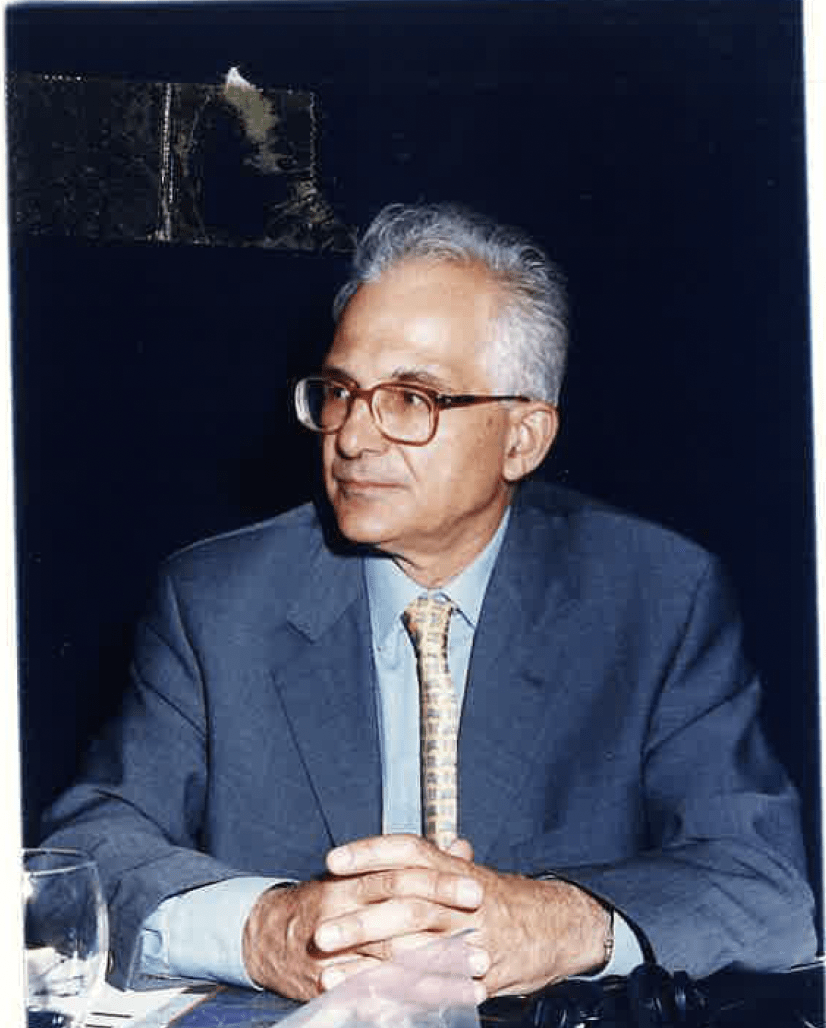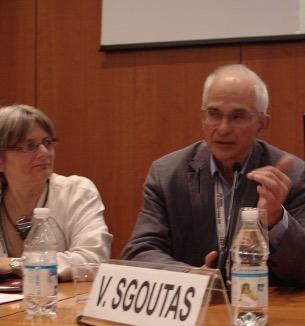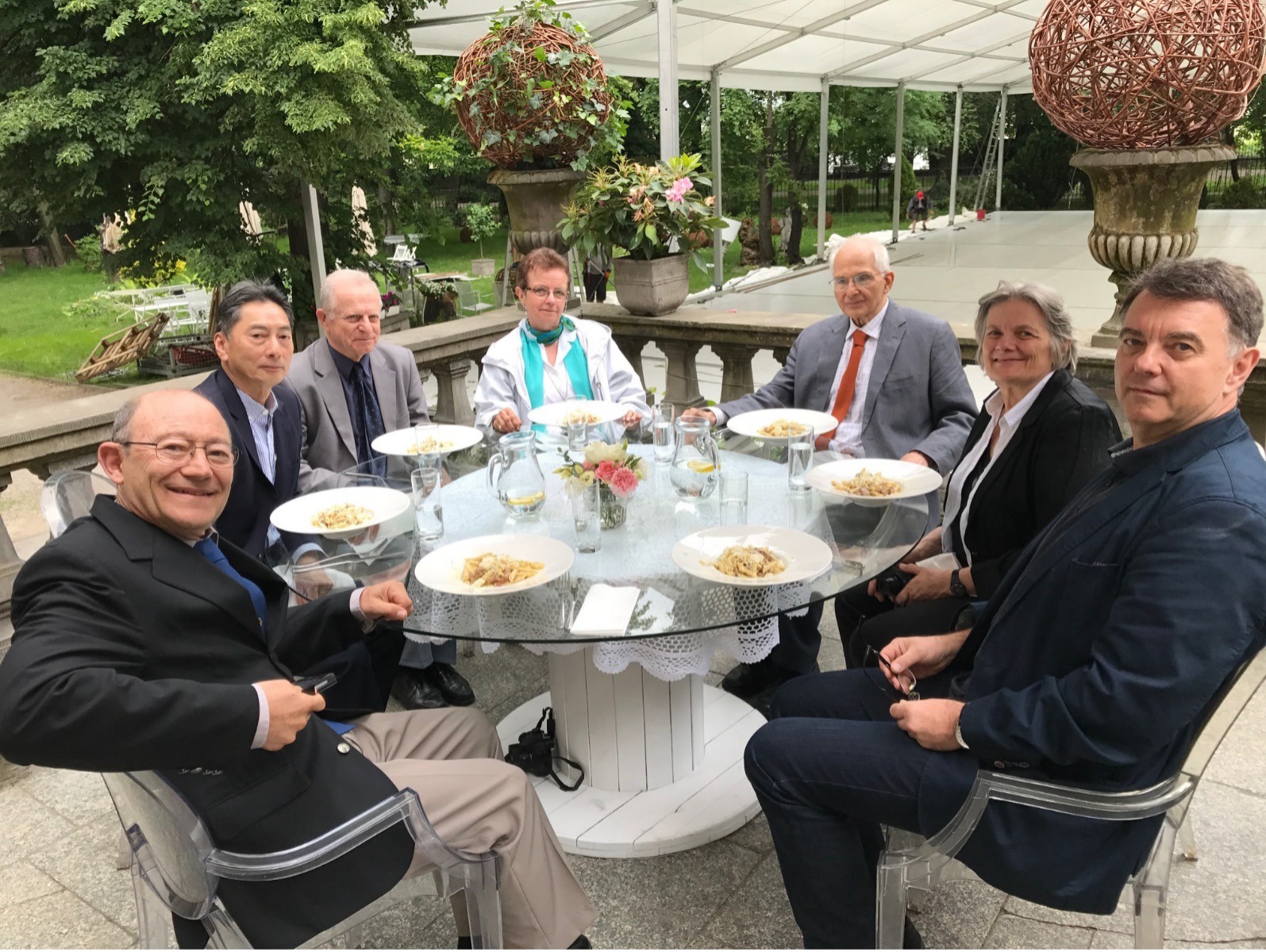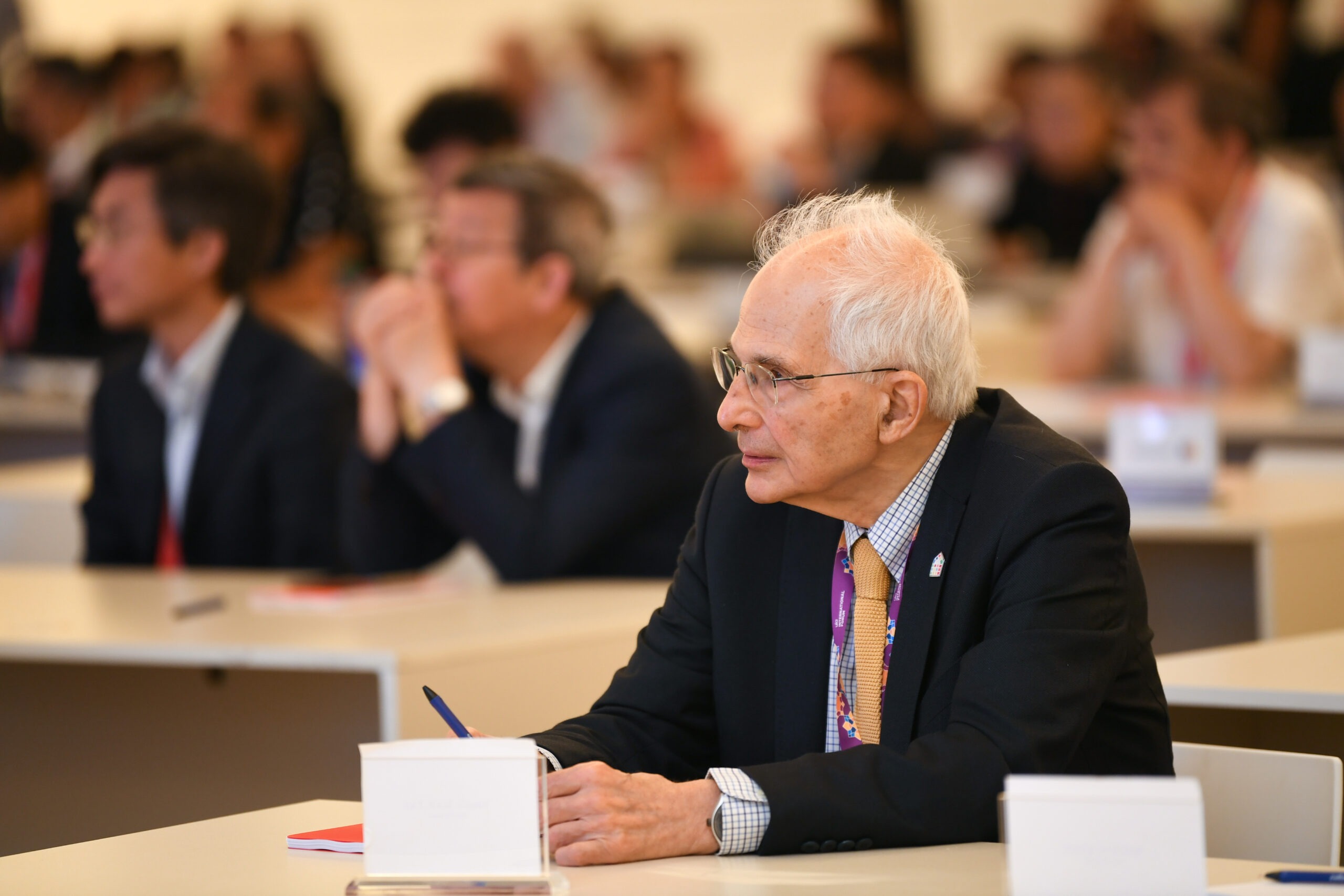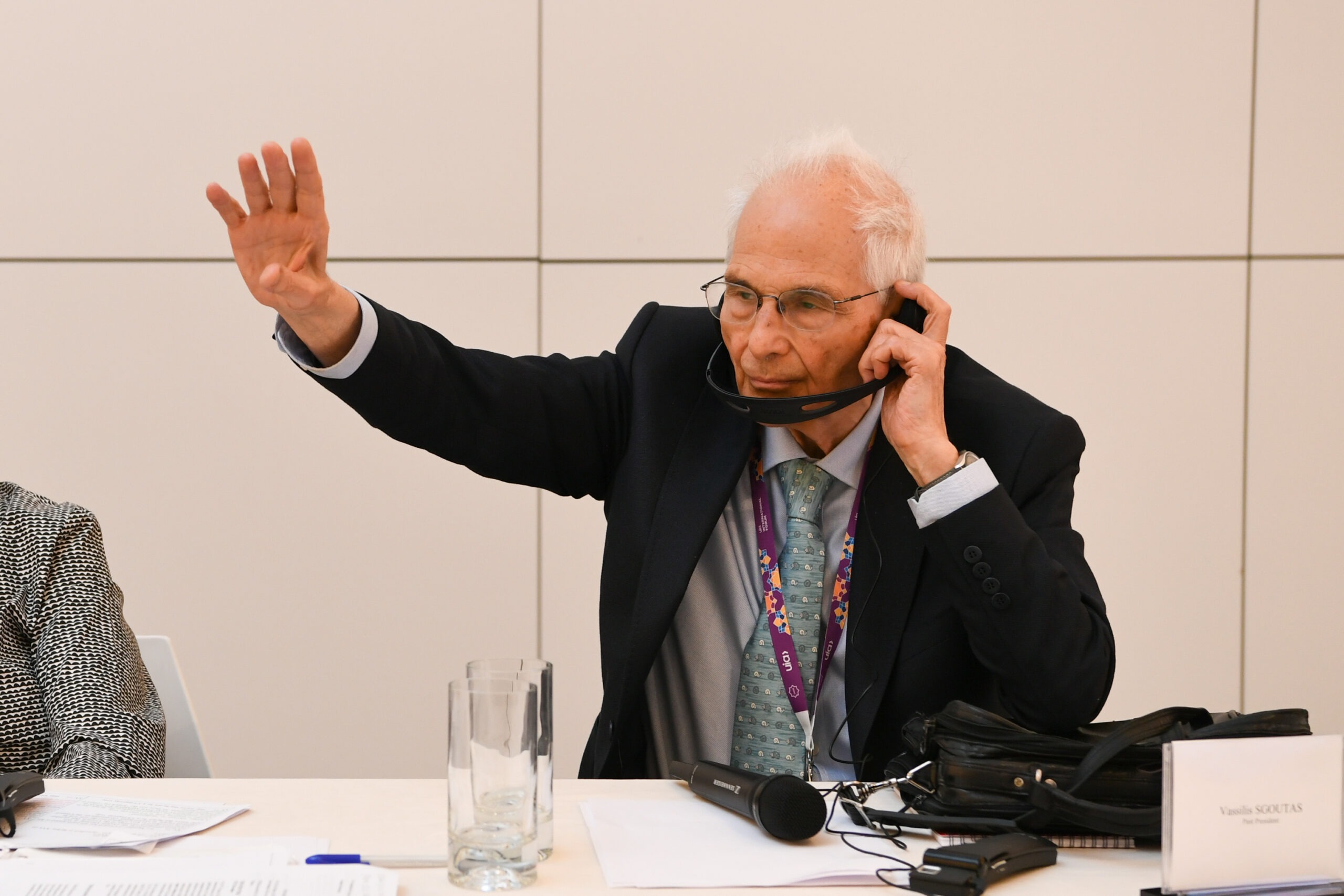
Vassilis Sgoutas (1934–2025)
Honorary President of the International Union of Architects
The International Union of Architects honours the memory of Vassilis Sgoutas, who passed away on 27 December 2025, and pays tribute to a life of sustained dedication to architecture, to the profession, and to the Union he served for more than four decades.
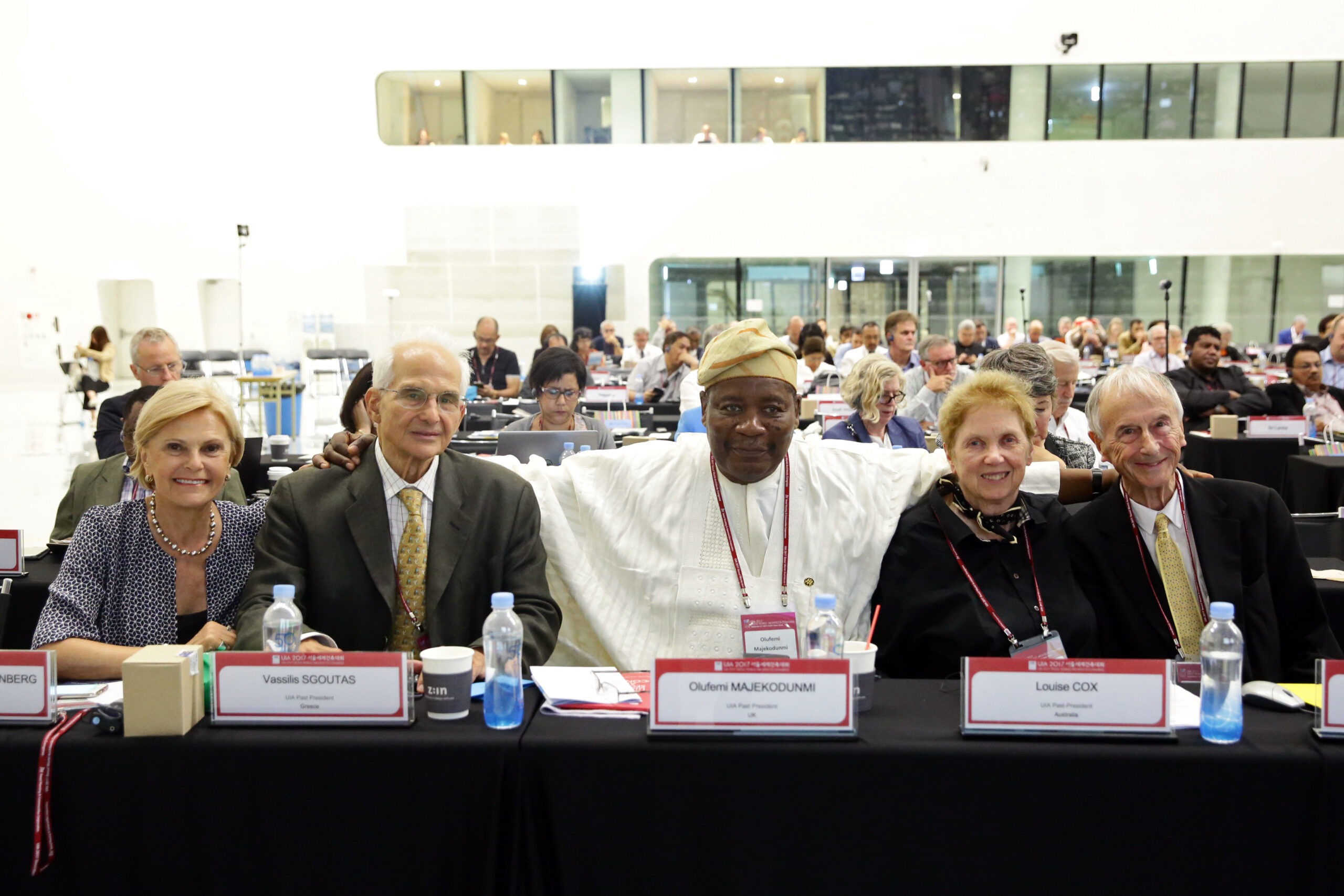
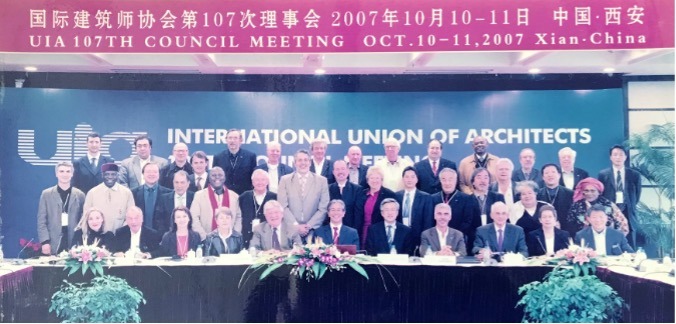
Vassilis Sgoutas’s relationship with the UIA spanned over 40 years of continuous commitment, during which he assumed nearly every major institutional responsibility of the Union. From Council Member to Vice-President, from Secretary General to President, and ultimately Honorary President, his trajectory reflects an exceptional breadth of service and institutional continuity.
A life of service to the UIA
His formal service to the UIA began in 1985 as Council Member for Region II, followed by successive mandates that reflected the confidence placed in him by the UIA membership:
- Council Member (1985–1990)
- Vice-President, Region II (1990–1993)
- Secretary General (1993–1999)
- President (1999–2002)
- Immediate Past President (2002–2005)
- Past President (2005–2019)
- Honorary President (2019–2025)
Few individuals in the history of the UIA have contributed so consistently, across so many mandates, to the life and governance of the Union.
Architect, practitioner, and humanist
Vassilis Sgoutas graduated as an architect from the University of Cape Town and later established his practice, Sgoutas Architects, in Athens. His professional formation included early international experience in South Africa and the Middle East, which shaped his understanding of architecture as a social and cultural responsibility. Alongside his institutional responsibilities, he remained engaged in professional practice, guided by a strong sense of social responsibility.
He was recognised for an approach to architecture grounded in environmental responsibility, social equity, and accessibility. He was particularly active in promoting architecture responsive to vulnerable contexts and attentive to the needs of disadvantaged and marginalised communities, viewing the built environment as an instrument of dignity, inclusion, and resilience. He was also engaged in advancing accessibility and inclusive design, contributing to international work on the built environment for persons with disabilities and promoting universal access as a core architectural concern.
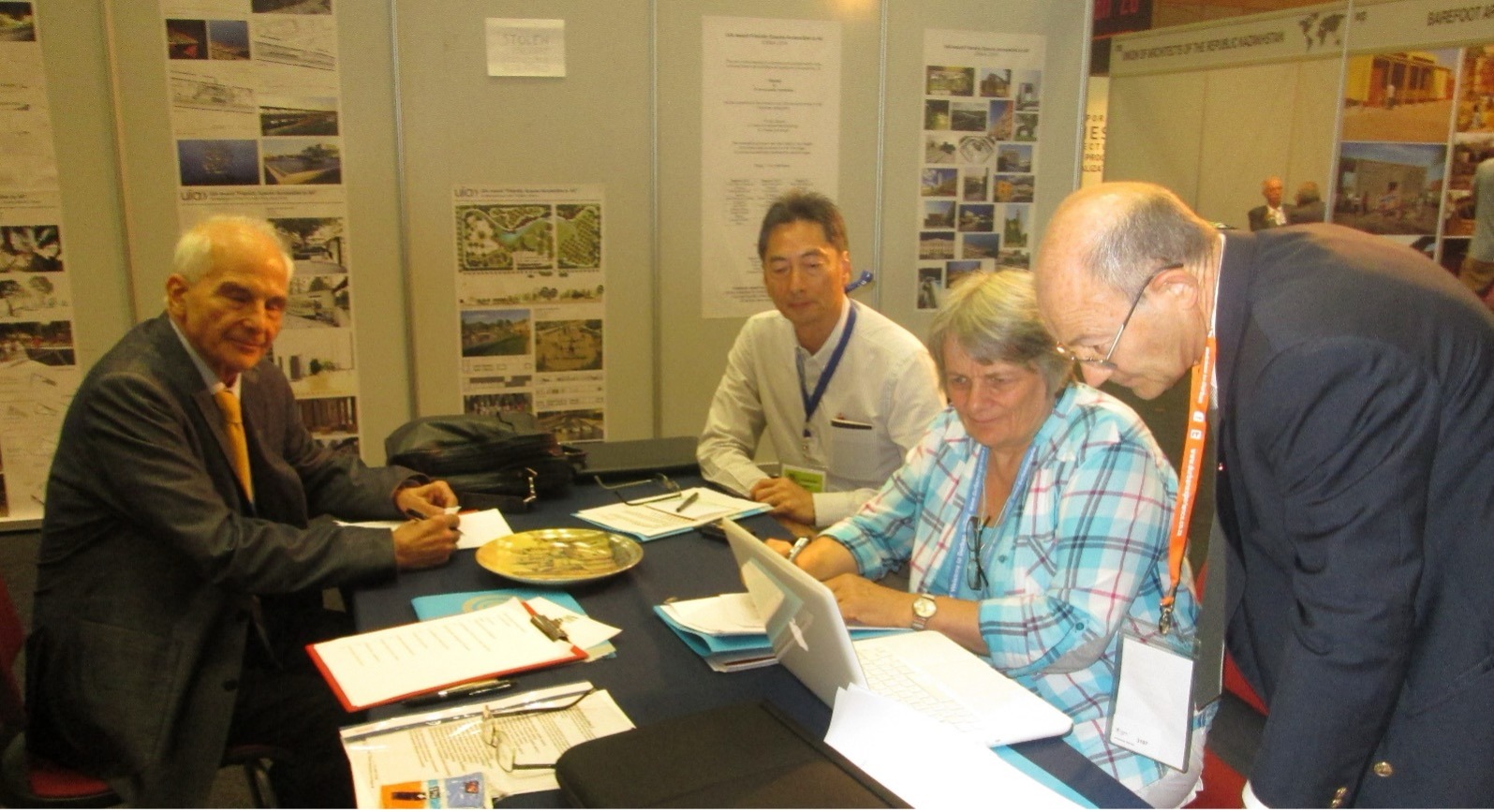
This commitment is reflected in the UIA Vassilis Sgoutas Prize, created in 2007. Awarded on a triennial basis, the Prize recognises architectural solutions that improve living conditions in impoverished and vulnerable communities and reflects values present throughout his professional and institutional work.
Presidency at the turn of the millennium (1999–2002)
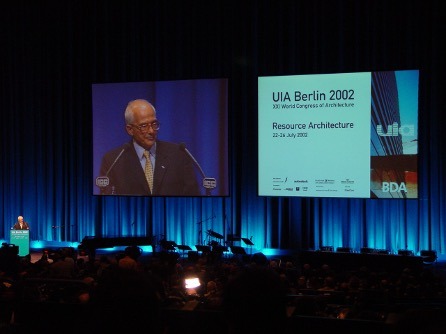
Elected following the XXth UIA Congress in Beijing, Vassilis Sgoutas served as President during a period marked by both renewal and consolidation within the Union. His mandate concluded at the Berlin Congress and XXII UIA General Assembly in 2002.
During this period, he worked to strengthen the unity and international standing of the UIA, promoting dialogue between Regions, encouraging the participation of Member Sections, and addressing the role of architects in public life, professional ethics, international competitions, and cultural heritage.
At the Berlin General Assembly, the UIA formally noted the creation of the ACE–UIA Agreement on European and International Architectural Competitions (Resolution no. 10, July 26, 2002), to be signed by the Presidents of the UIA and the Architects’ Council of Europe. The agreement established a framework for cooperation on European and international competitions and reaffirmed fundamental shared principles, including the promotion of architectural quality through competitions, transparency of procedures, independence of juries, and anonymity, while providing for ongoing coordination between the two organisations.
The Berlin Congress also culminated in the publication of an official Congress Report and the UIA White Book 2002 – The Future of Architecture: Propositions for the Built Environment, issued as a reference document annexed to the Congress outcomes. Vassilis Sgoutas noted that the White Book, originally conceived as a manual prepared by the Architects’ Council of Europe, was subsequently developed by the UIA into an international reference document, intended to be relevant worldwide. He emphasised that the White Book set out the actions required to advance a more sustainable and equitable built environment, reaffirming that architecture is a matter of public interest and, as such, serves society and the public at large.
International engagement and institutional stewardship
During his mandates as Secretary General and President, Vassilis Sgoutas played an important role in supporting the development, implementation, and international recognition of key UIA reference instruments, including the UIA–UNESCO Validation System for Architectural Education (adopted in 1996) and the UIA Accord on Professional Practice (adopted in 1999). From 2000 to 2003, he also served as Co-President of the UNESCO–UIA Validation Council, contributing to the governance of the system during a key phase of its implementation.
He represented the UIA at international level, notably in its relations with UNESCO, and consistently emphasised the social role of architecture and the responsibility of the profession within a global context.
A lasting legacy
After the completion of his presidential mandate, Vassilis Sgoutas remained an active presence within the Union, offering counsel, continuity, and historical perspective. His designation as Honorary President in 2019 recognised both the duration and continuity of his service to the UIA.
The Council formally marked his passing and paid tribute to his life and service, acknowledging the impact he had on the Union and on generations of architects worldwide.
In remembrance
Vassilis Sgoutas will be remembered for his sustained institutional engagement, his commitment to architecture’s public and social role, and his contribution to the continuity and work of the International Union of Architects. His legacy endures in the Union’s charters and reference documents, in the Prize that bears his name, and in the ongoing commitment of architects worldwide to place responsibility, equity, and human dignity at the centre of the built environment.
The International Union of Architects extends its condolences to his family, colleagues, and friends.