Key dates
Prizes
There will be up to three (3) awards allocated per category for the first, second, and third prizes. Awardees will be presented with certificates. While no monetary prize will be granted, one member from each winning team will be offered complimentary registration to attend the UIA Congress.
Theme and objectives
This awards programme has been established to formally recognise distinguished and innovative architectural design solutions or research that help protect, promote, and restore human health. Architects are invited to submit entries in one of two categories: Built Work or Research Work.
Key criteria
Category 1: Built Work
- Innovation: Creative and innovative approaches for design for health
- Health outcomes: Evidence and/or evaluation results to demonstrate how the design approaches promote health and wellbeing and its health impacts on the community and/or the society
- Quality of architectural design
- Functional considerations
- Environmental and sustainability considerations
- Social and cultural responsiveness
Category 2: Design Research
- Relevance to Health Outcomes: Demonstrates a clear and meaningful connection between design and the protection, development, or restoration of human health.
- Rigor of Research Methods: Employs appropriate and rigorous architectural research methods.
- Innovation and Originality: Contributes to new knowledge of design for health.
- Evidence-Based: Draws upon established theories, prior studies, or empirical data to support or advance the research.
The jury will have the right to expound the above criteria during the evaluation process.
Jury Members
Built Work Category
- Kevin Bingham (UIA representative and PHWP Member), Managing Director, FGG Architects, South Africa, Jury Chair
- Yulong Liu, Chairman, Tsinghua University Architecture Design and Research Institute, China
- Henning Lensch, CEO, RRP International Hospital Planners, Germany
- Ruzica Bozovic Stamenovic, Associate Professor, National University of Singapore, Serbia & Singapore
- Pei Ing Tan, Founder, PI Architect, Malaysia
Alternate juror
- Fani Vavili-Tsinika (UIA representative and PHWP Member); Professor Emerita, Aristotle University of Thessaloniki, Greece
Research Work Category
- Hui Cai, Professor, Georgia Institute of Technology, USA, Jury Chair
- Xiaosai Hao, Professor, Beijing University of Civil Engineering and Architecture, China
- Fani Vavili-Tsinika (UIA representative and PHWP Member), Professor Emerita, Aristotle University of Thessaloniki, Greece
Alternate juror
- Stephen Ho (UIA representative and PHWP Member), Deputy Director, Estate and Campus Development Office, Vocational Training Council Hong Kong
Results
Built Work Category
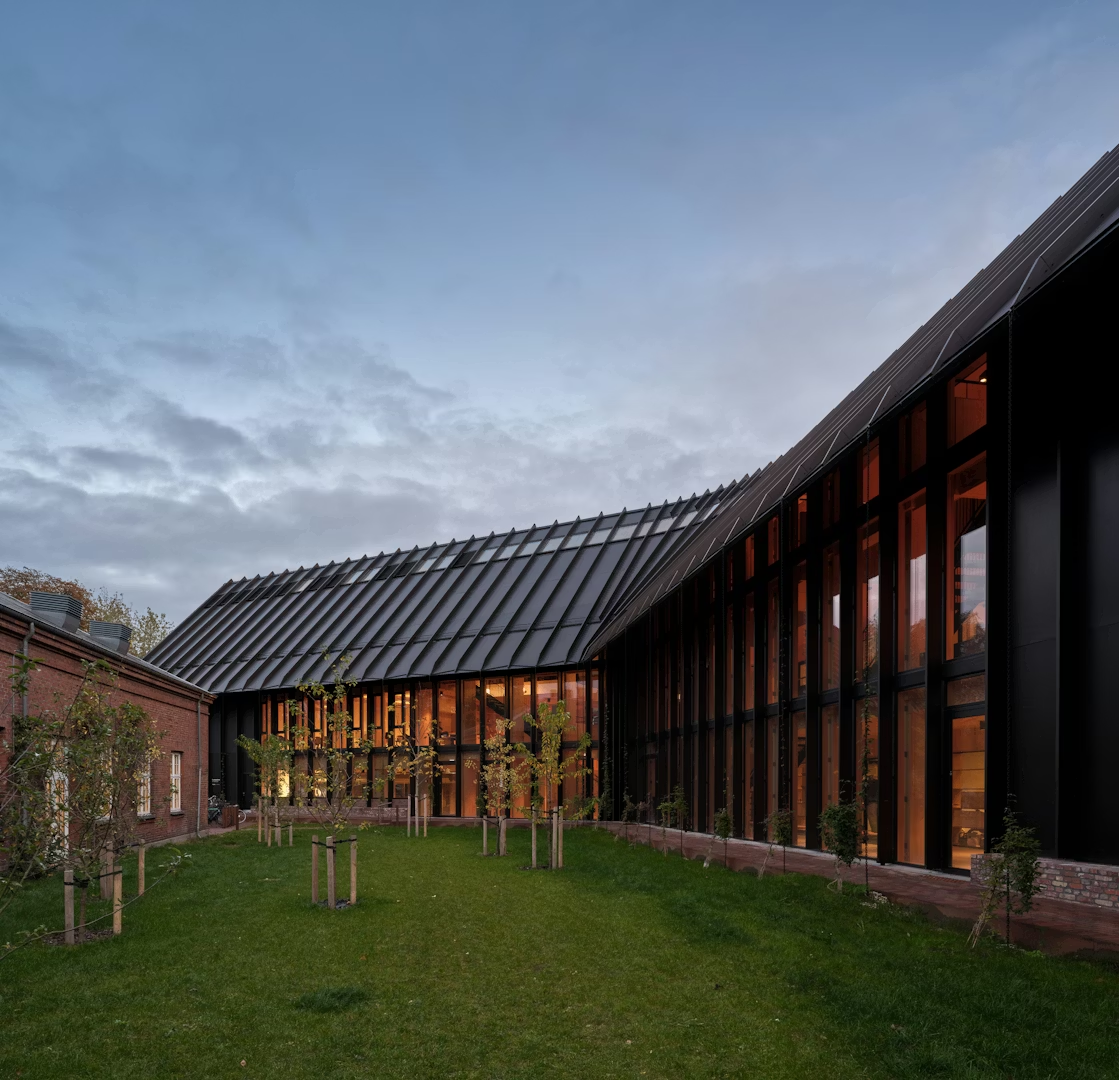
First Prize: Center for Health (Copenhagen, Denmark) by Dorte Mandrup
The buildings and landscapes that surround us can profoundly affect our behaviour, emotions, and physical health. With this in mind, Danish architecture studio Dorte Mandrup has designed a new Centre for Health in Copenhagen that combines plenty of daylight, natural materials, and room for movement and community to support and improve rehabilitation and treatment of lifestyle-related illnesses.
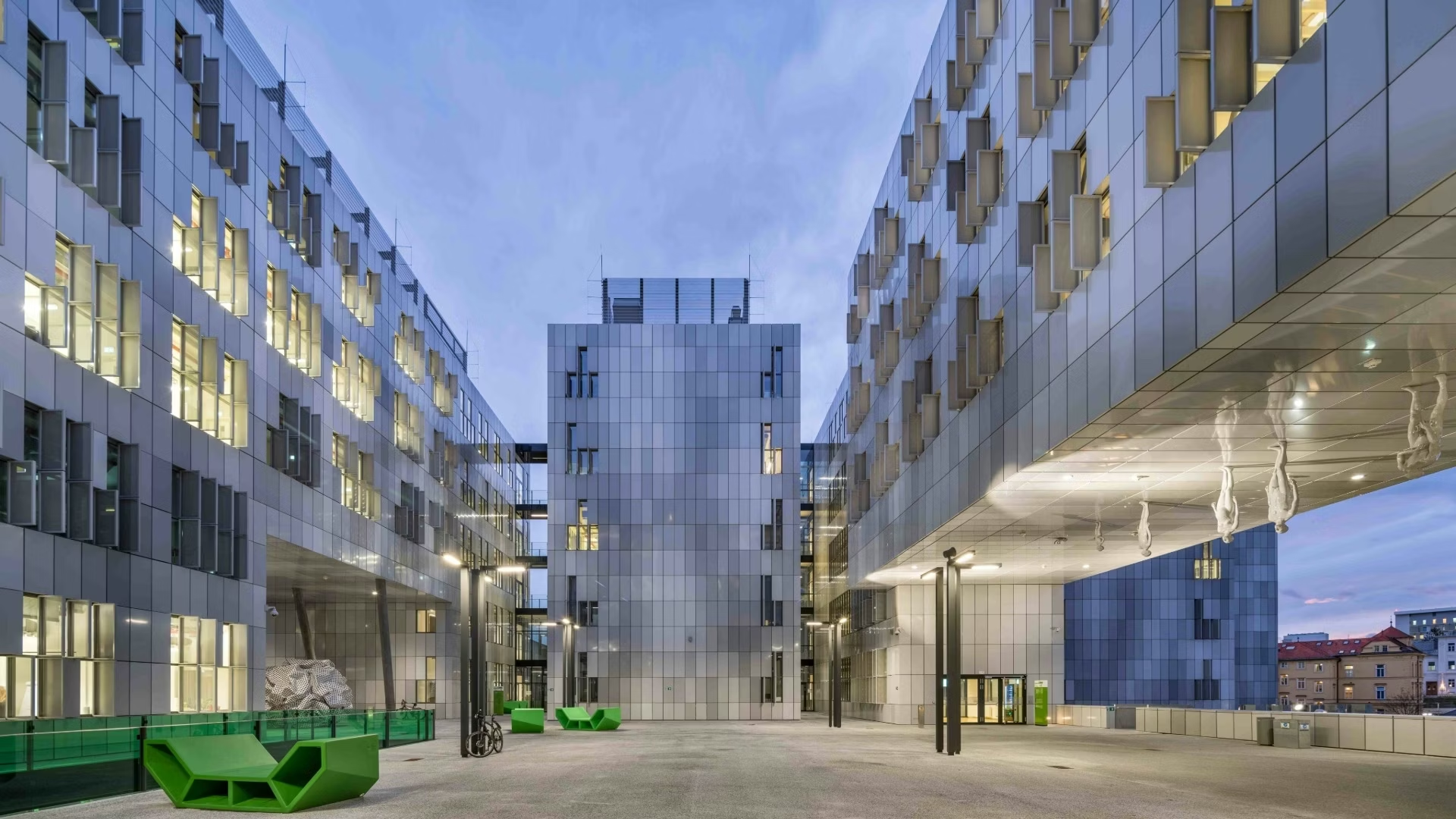
Second Prize: Office and Laboratory Buildings, Medical University of Graz (Graz, Austria) by Riegler Riewe Architects
The concept for the Med Uni Campus Graz is based on the integration of work, teaching and leisure spaces on a shared inner-city site. The project implements a clearly structured ensemble of coherent yet differentiated buildings, taking the various requirements into account as far as possible.
Third Prize: Children’s and Adolescent Hospital Freiburg (Freiburg, Germany) by Health Team Vienna, Albert Wimmer ZT-GmbH, and Architects Collective ZT-GmbH
The comprehensive provision of cutting-edge medicine under one roof, a consistent focus on the well-being of patients and their families in the spirit of the parent–child patient, clinical research and teaching, and a vibrant culture of communication formed the foundation of the design.
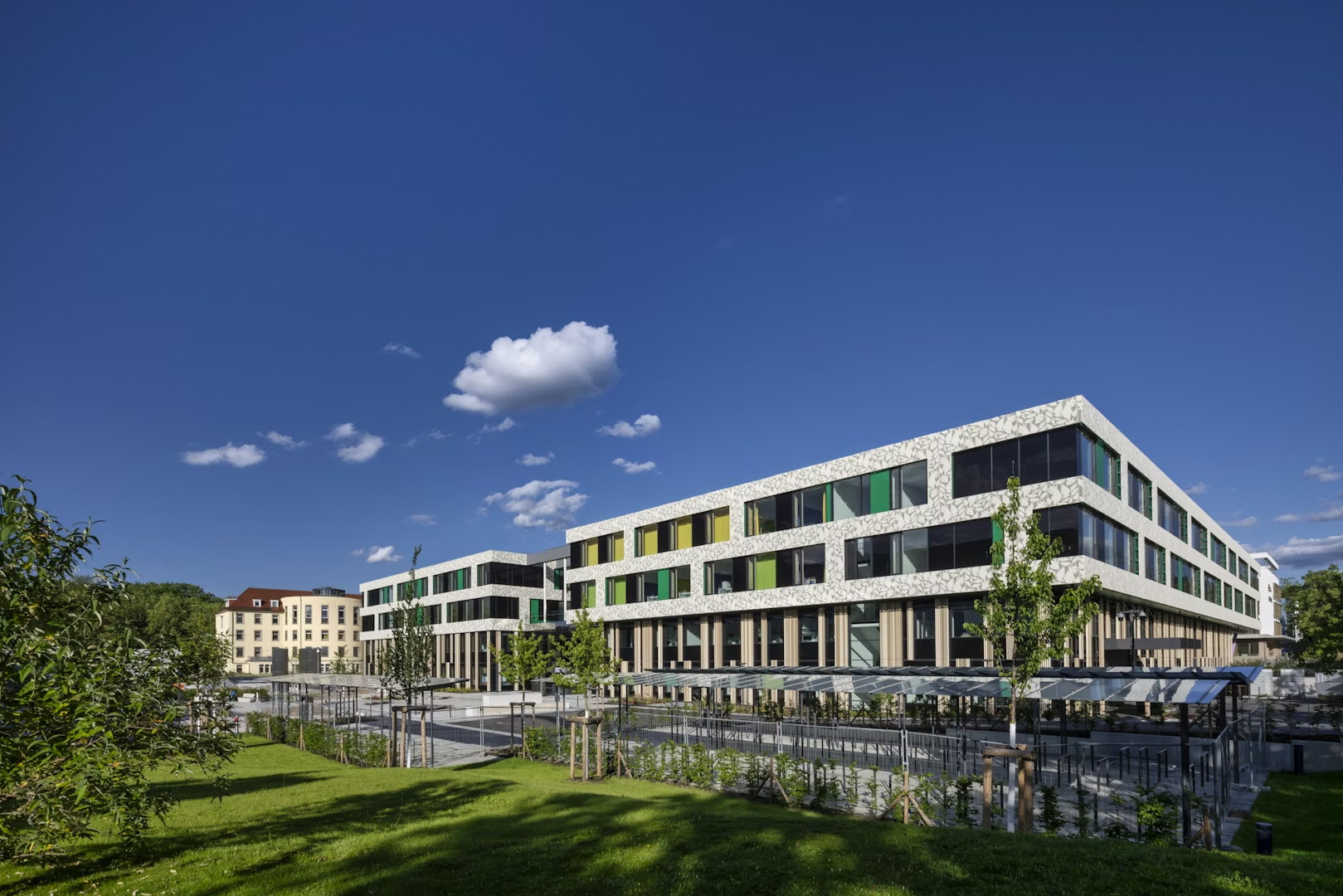
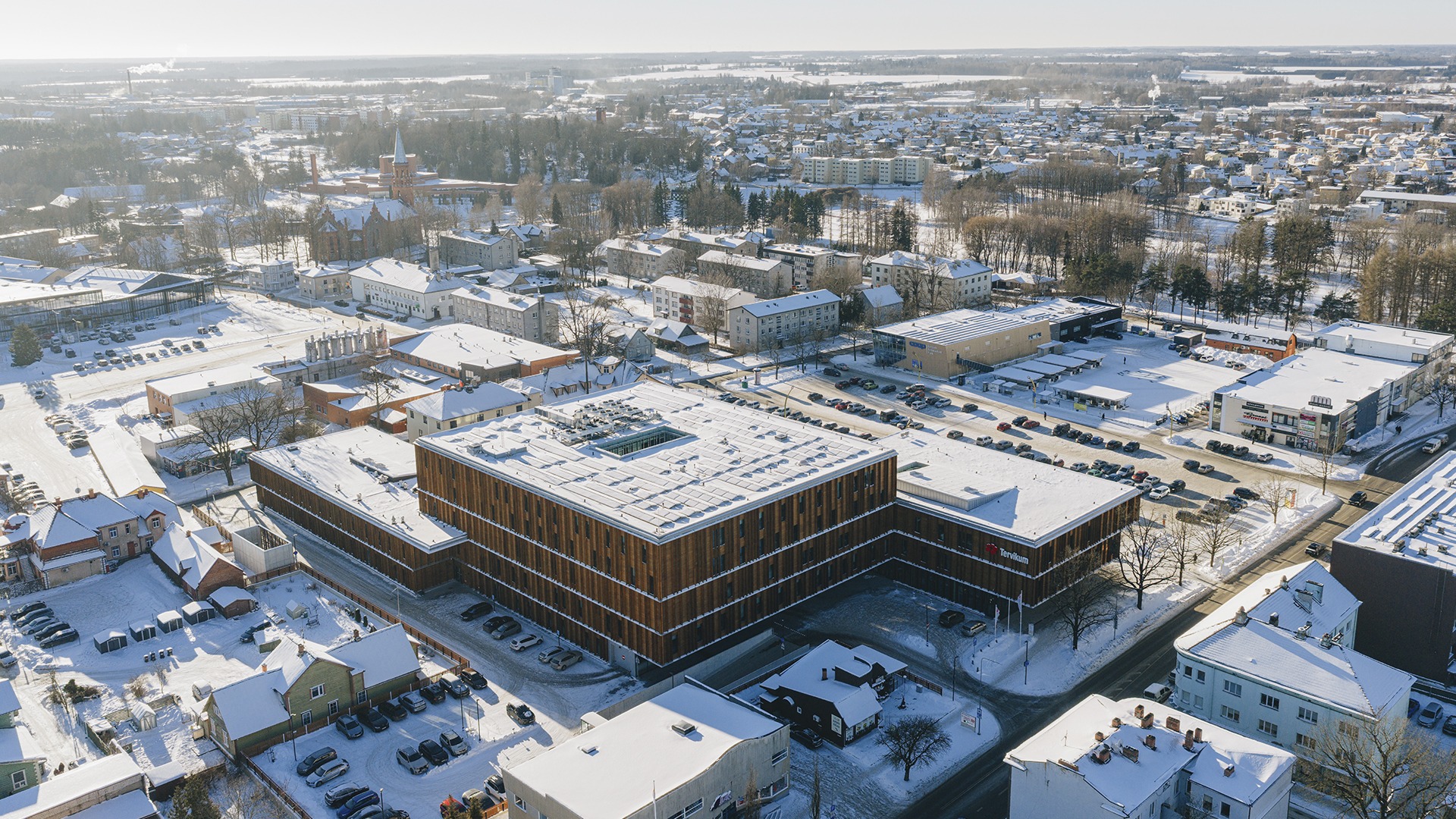
Honorable Mention: Viljandi Hospital (Viljandi, Estonia) by Bakpak Architects, Planho and DAGOpen
The modern hospital is more than just a place to provide healthcare services. It is generally the most important building in the city and the main reference of a society and a time.
Research Work Category
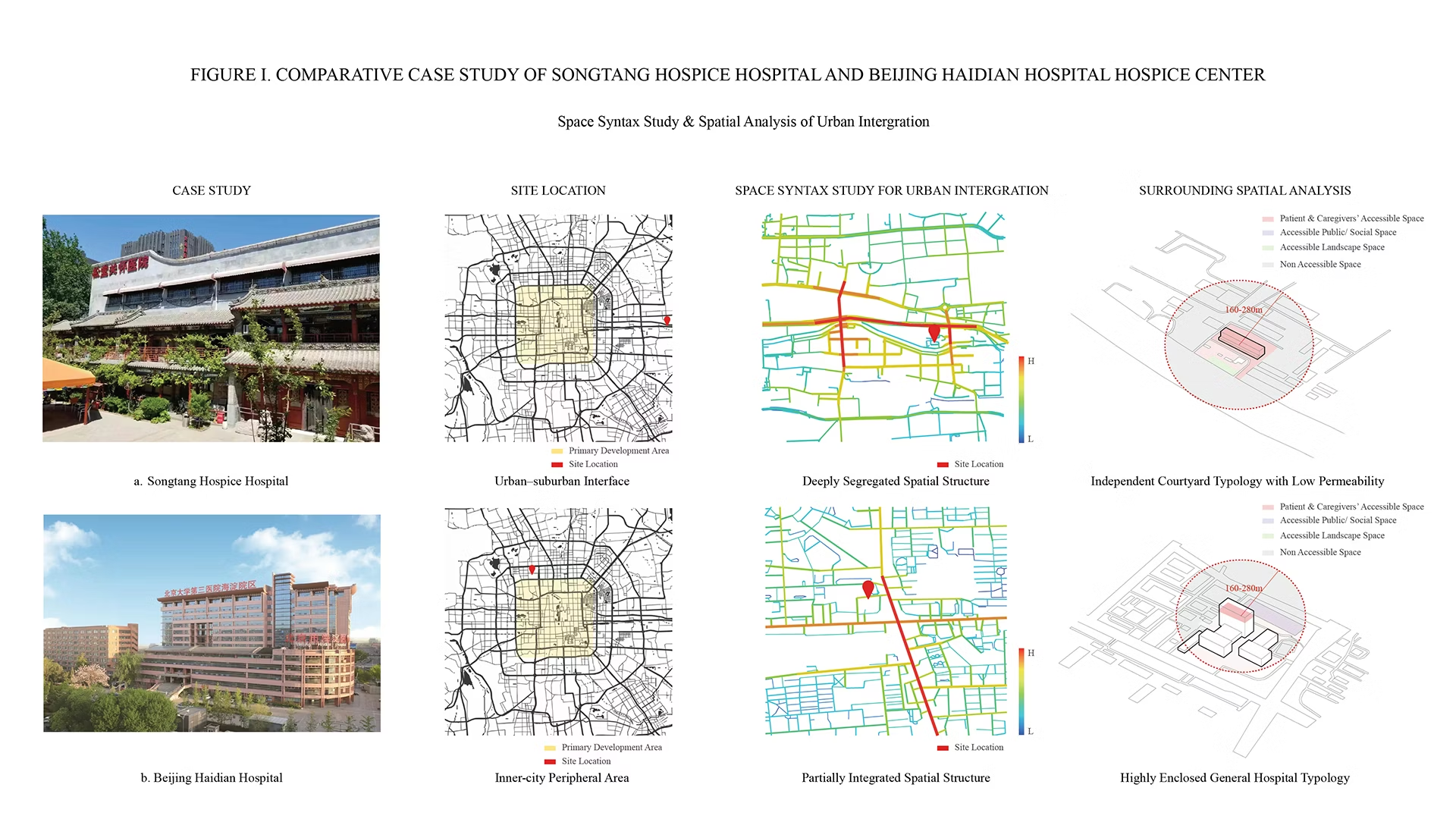
First Prize: Within Reach: Restoring Spatial Sovereignty and Social Integration of Hospice Care within Urban Neighborhoods (USA) by Yixuan Liu and Yilin Zhang
In high-density cities, hospice care spaces have long been organized primarily around medical efficiency and risk management. Their sites and spatial organization are typically removed from everyday urban life and characterized by reduced social visibility, leading to a persistent process of spatial disembedding in the end-of-life stage.
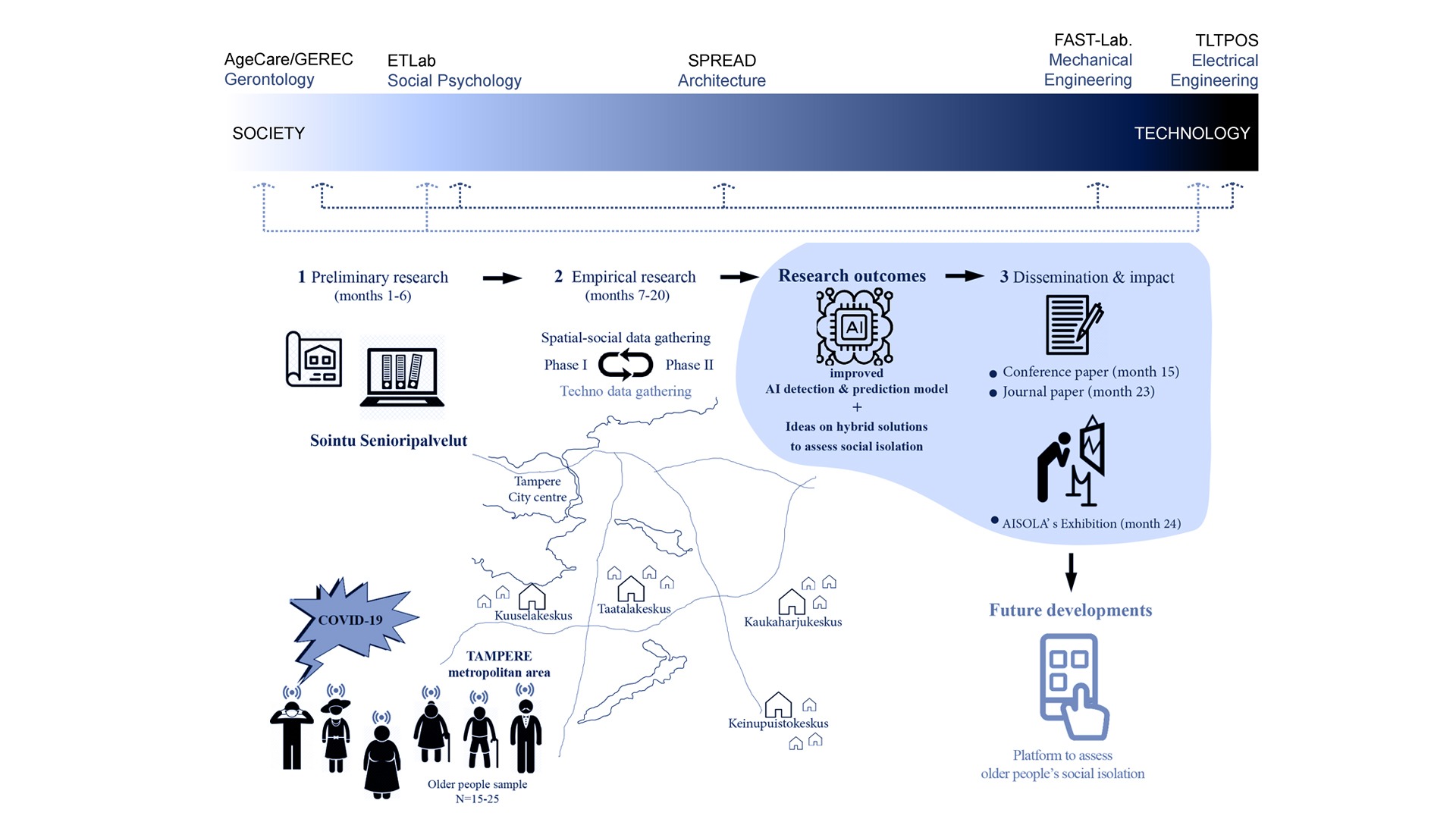
Second Prize: Loneliness and the Built Environment by Fernando Nieto Fernández, Tampere University, School of Architecture, Tampere, Finland; Rosana Rubio Hernández Center for Historical Studies of Public Works and Urban Planning at the Center for Studies and Experimentation in Public Works (CEDEX-CEHOPU), Madrid, Spain
Nowadays, broad sectors of society suffer from loneliness and social isolation, while the positive dimension of being alone, solitude, is also compromised. These phenomena are frequently approached from a medicalised and deficit-based perspective, while the social health viewpoint remains underdeveloped.