By Thomas Chung and Natalia Brener, Co-directors of the UIA Public Spaces Work Programme
Introduction
The 2023–2026 Roadmap for the UIA Public Spaces Work Programme established a three-strand mandate: develop a global evaluation instrument for public space; curate a Special Issue of The Journal of Public Space; and codify participatory processes across regions — in order to position public space as both universal right and strategic lever for policy and practice. This article examines how these ambitions have been operationalised via regular online meetings, collaborative taskforces, and partnership networks; assesses the Work Programme’s (WP) organisational design, building on the midway insights presented at the UIA Kuala Lumpur 2024 Forum, and anticipating the UIA Congress Barcelona 2026.
Method and organisational design
The WP adopted a co-creative model through regular online meetings (15 sessions over 2.5 years: bi-monthly on average), forming a distributed research-practice community committed to iterative peer learning across UIA’s five regions. These sessions began with cross-regional case presentations from WP members and later developed into structured debates to calibrate the instrument, underpinned by Miro-based shared workspace versioning and multi-criteria visualisations. In parallel, three task forces have been established to coordinate: (a) Instrument & Metrics (static and dynamic qualities, criteria, thresholds, piloting); (b) Scholarship & Editorial (scope, guest editor team, timeline for the special issue); and (c) Participation & Governance (surveying regulations, codifying good practices). The combination of comparative learning, iterative scoring, and debate proved vital in negotiating cultural specificity while ensuring global comparability, putting the WP’s roadmap “metrics–scholarship–participation” triad into practice.
Case-based knowledge building
Member-led case presentations were convened as a democratic, empathetic engine for knowledge co-production across UIA Regions I–V. Each case paired a situated narrative with open discussion on equity, climate resilience, governance, health, and culture. Presented cases span South America, Europe, Asia, and Australasia, and together they show how participatory exchange sharpened shared criteria while honouring local meanings—and how this process helped focus the WP’s Roadmap outputs (instrument, special issue, participation toolkit).
South America
Three Latin American cases illustrate public space as a lever for equity and mobility. Bulevar de Oriente, Cali (Colombia) reclaims a former wastewater channel as a 1.2 km civic corridor serving 130,000 residents. Sports courts, skatepark, bike lanes, library modules, and 58 murals anchor cultural identity and social learning. Despite global acclaim, governance gaps highlight the need for shared stewardship. TuCalle (Uruguay) applies tactical urbanism to democratize streets through reversible interventions— painted bike lanes, parklets, and temporary plazas—supported by workshops and municipal partnerships. Public feedback praised inclusivity and vibrancy, but permanence and enforcement can be strengthened. Plaza de Burgos, Chachapoyas (Peru) is a heritage-sensitive remodel strengthening the civic core; while vibrant daily use complements inclusive design and helps refine cultural landscape criteria.
Europe
Seven cases from Europe reveal tensions between heritage, governance, and inclusivity. Warsaw Uprising Mound Park (Poland) is reclaimed from a rubble hill, and emphasizes material reuse, environmental
resilience and symbolic landscapes. Seven Interventions, Castel San Pietro (Switzerland) targets accessibility, social fabric repairs and short-term tryouts. Against Public Space: Bucharest (Romania) exposes systemic inertia: fragmented governance and privatization leave sidewalks and green areas dominated by cars. Grassroots NGO hacks—parklets, stair repairs—signal creativity but lack integration into citywide planning. Monastiraki Square, Athens (Greece), redesigned in 2008, celebrates openness and layered identities through a mosaic pavement, sustaining cultural vitality and protest. Yet tourist commodification and limited shade compromise comfort. Cultural Urban-Scapes (Greece) reframes public space as a civic curriculum: vegetation and earthworks act as structural elements, while QR codes and kiosks deliver historical narratives. Implemented projects validate cultural and ecological goals but risk over-programming and tech dependence. Taksim Square, Istanbul (Turkey) remains a contested civic stage—rich in collective memory yet vulnerable to interventions eroding heritage values. Low citizen participation in redesign competitions underscores the urgency of inclusive planning. Collectively, these cases argue for governance transparency, comfort infrastructure, and participatory frameworks to safeguard democratic commons.
Asia
Four Asian cases foreground density, health, and adaptability. Hong Kong faces critically low per-capita public space (≈2.7 m²), compounded by restrictive POPS governance. While art activations and park upgrades animate urban life, they remain temporary and uneven. Mega-projects promise new space but risk gentrification without robust participation. Nepal’s photovoice study reveals stark contrasts between green outskirts and congested cores: encroached courtyards, fragmented sidewalks, and unsafe crossings undermine walkability and leisure. Participants call for universal design, shaded amenities, and enforcement—demonstrating photovoice as a powerful participatory tool. Malaysia’s Sense of Community review contrasts high-performing multi-functional hubs (Kajang Stadium, Sg. Kantan Skatepark) with obsolete pocket parks like Taman Jelok Ria. Findings link social cohesion to layout, greenery, and adaptable design, urging flexible, multi-generational spaces embedded in housing policy. Seonyudo Park, Seoul (Korea) converts a water purification plant into eco-park; integration of industrial ruins, ecological niches, and public programming exemplifies carbon-neutral aspirations and attuned stewardship and adaptability. Across Asia, the message is clear: systemic planning and inclusive design must replace piecemeal beautification.
Australia
Two Australian presentations interrogate resilience and cultural identity. Climate-Conscious Public Spaces showcase flagship projects—Sydney Green Grid, Hanlon Park, Lizard Log Parklands—where blue-green infrastructure delivers ecological restoration, thermal comfort, and active mobility. Micro-infrastructures (shade, seating, bike racks) enable health benefits, yet risk of over-formalization and uneven distribution persist. Success demands whole-of-government frameworks and adaptive design beyond showcase parks. Memories of Public Space explores temporality and narrative through works like Melbourne Parklanes, NGV Garden Pavilion entries, and the Obelisk of Apology. These interventions excel in cultural resonance but often remain conceptual or ephemeral, underscoring the need for governance and funding continuity to embed memory-driven paradigms into everyday urbanism. Together, these cases position public space as both ecological infrastructure and cultural archive—requiring policy integration for lasting impact.
Comparative insights
Across all regions, recurring themes helped to shape the WP roadmap. Equity, inclusivity and comfort emerged as baseline obligations (shade, seating, wayfinding, safety); climate resilience became measurable (permeable surfaces, micro retention, indigenous planting); heritage & storytelling as dynamic values sustaining identity and ritual; stewardship & governance highlighted transparent budgets, PPP facilitation, citizen-led activation; and ephemerality and tactical urbanism as catalysts for iterative improvement. These insights, distilled through member presentations, peer dialogue and criteria iteration, informed the WP’s three outputs, instrument (static/dynamic architecture, thresholds), the special issue’s scope (indicator validity, cultural translation), and the participation toolkit (policy enablers, co-design templates). By co-creating an adaptable framework as a learning device rather than a verdict, knowledge building via examples, and participatory codification of compelling practices, the WP advances a globally resonant architecture of public-space practice, grounding a global yet context-sensitive agenda towards Barcelona 2026.
Keywords: Equity and participation, Design, Climate Resilience, Governance, Cultural Identity
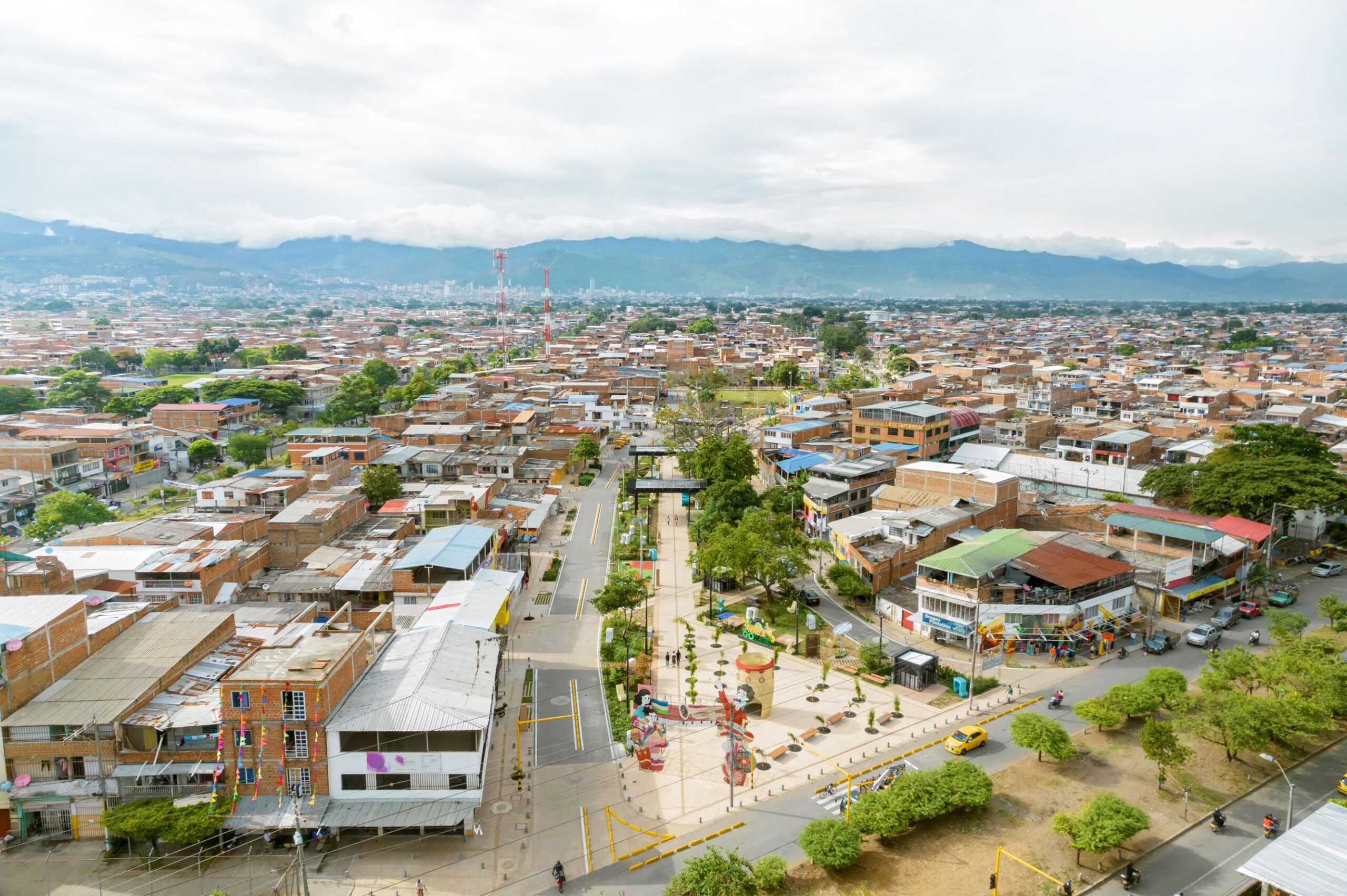
Fig. 1: Bulevar de Oriente, Cali, Colombia. Image courtesy Luisa Aponte Morales.
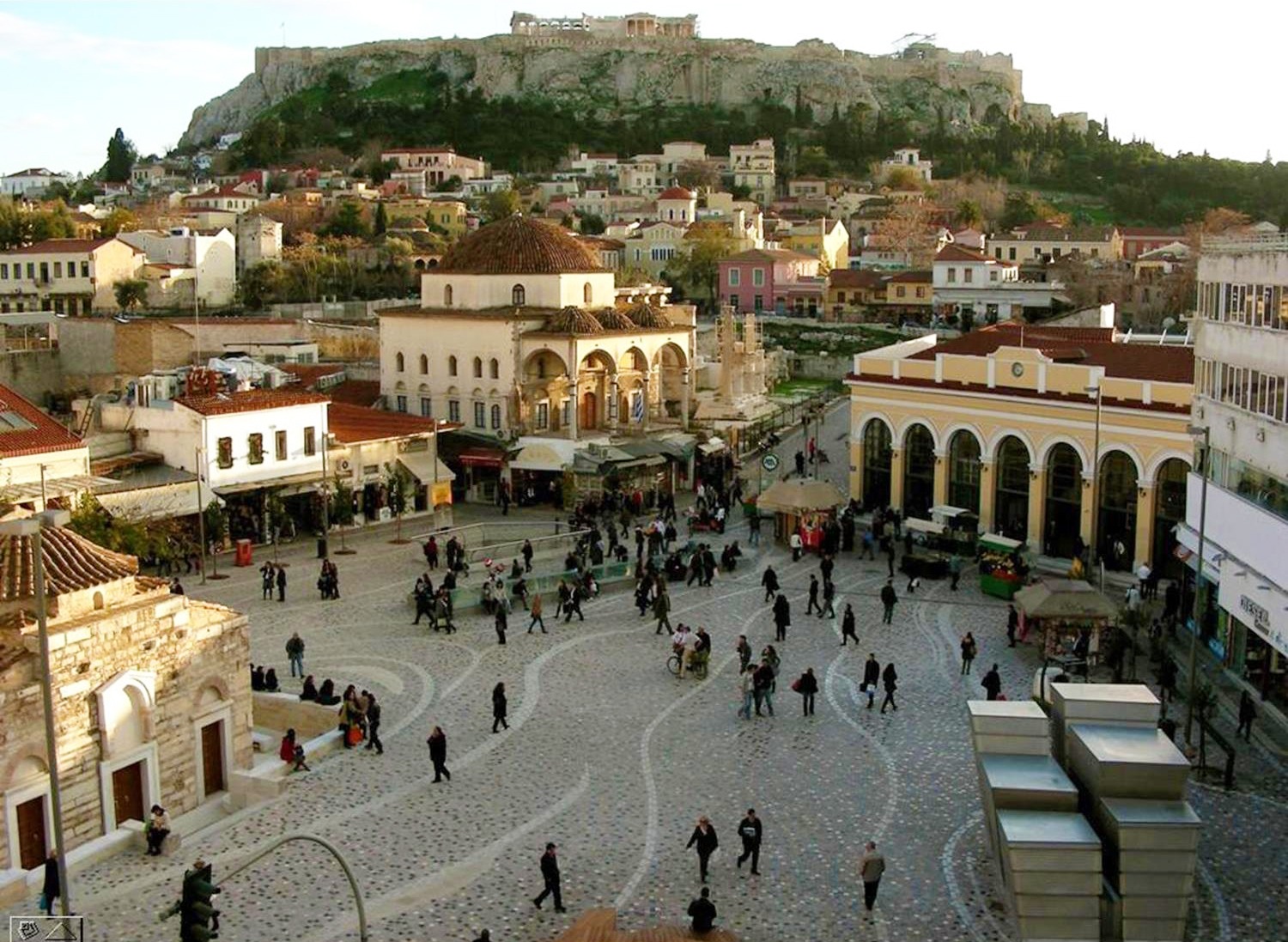
Fig. 2: Monastiraki Square, Athens, Greece. Image courtesy Nikos Kazeros.
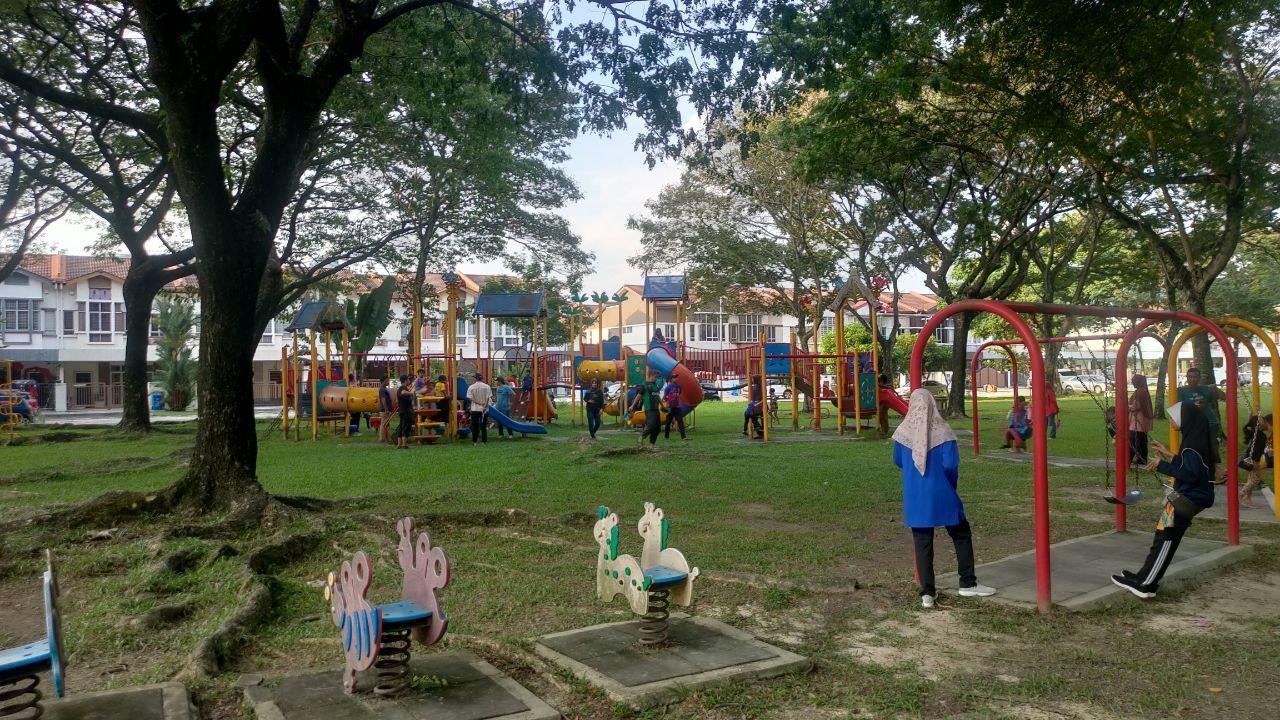
Fig. 3: Housing public park, Setia Alam, Malaysia. Image courtesy Mohd Azli Mohamad Jamil.
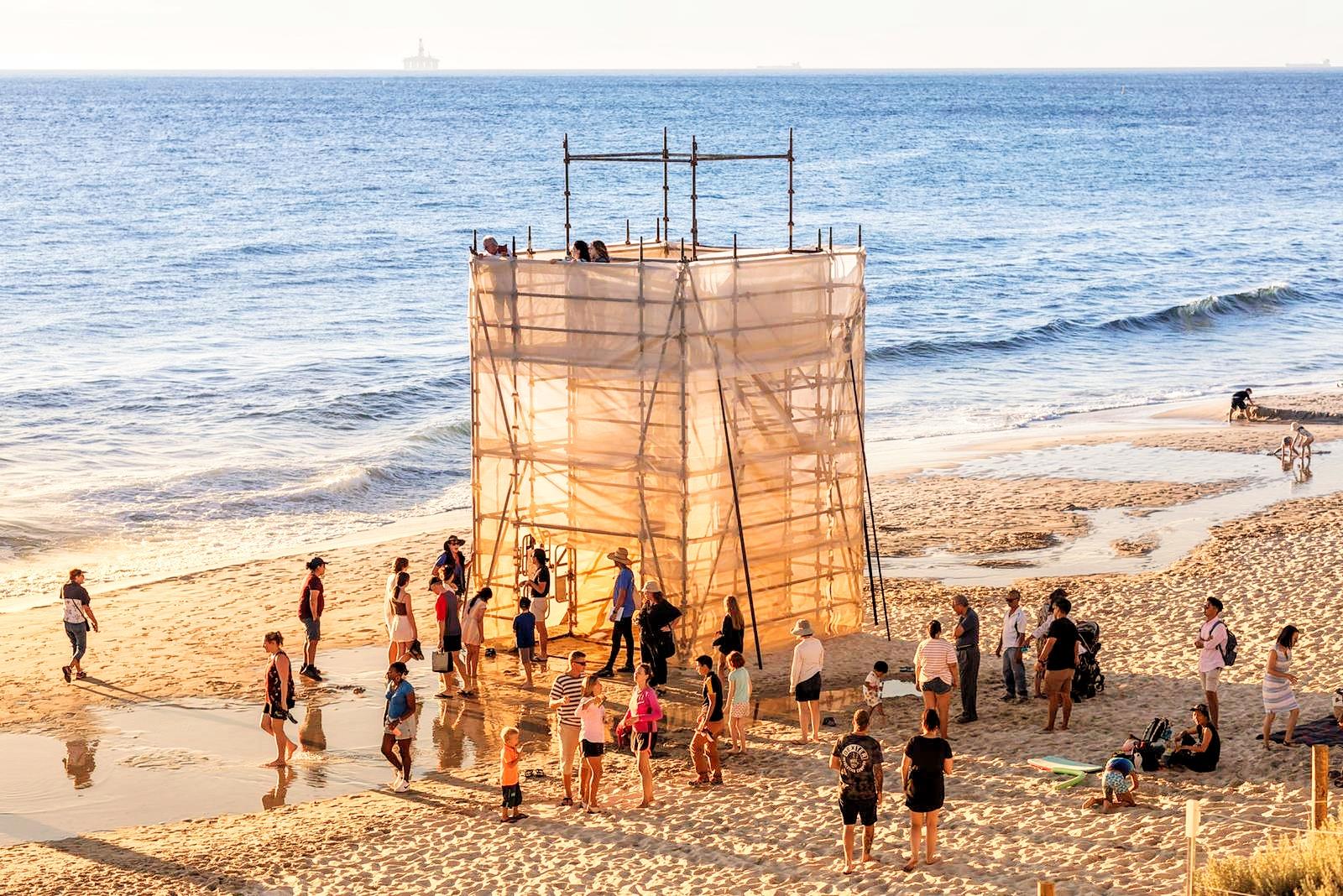 Fig. 4: Ephemeral lookout, Cottesloe, Australia. Image courtesy Yang Yang Lee.
References
- Biennial of Public Space & UN–Habitat. (2016). Charter of Public Space. See link.
- Chung, T. et al (2024) “Public Spaces Work Programme KUALA LUMPUR 2024”. Conference Presentation at UIA 2024 KL Forum DIVERSECITY, 16 November 2024, Kuala Lumpur.
- Chung, T. & Brener, N. (2025) Becoming Public: A 2023–2026 Roadmap for the UIA Public Spaces Work Programme. UIA.
- International Union of Architects. (n.d.). Public Spaces Work Programme. See link.