Works
Eduardo Souto de Moura (Porto, 25 July 1952) is a Portuguese architect whose work has profoundly shaped contemporary architecture through its clarity, intellectual rigour, and enduring engagement with place. Emerging from the Porto School and shaped by his early collaboration with Álvaro Siza, he has developed a singular architectural language that navigates between abstraction and material presence, continuity and transformation.
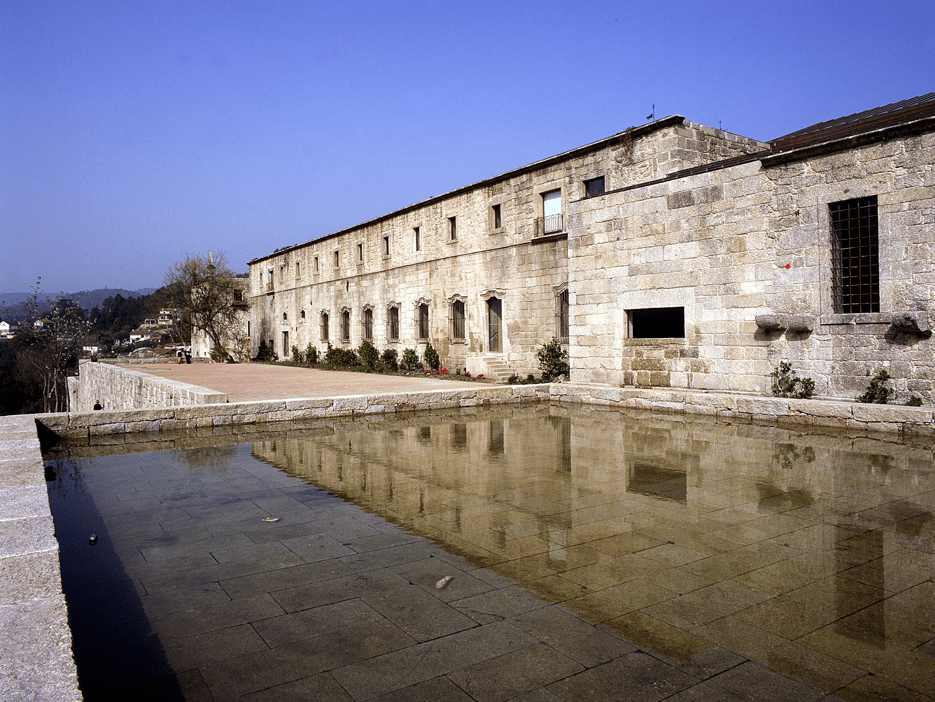
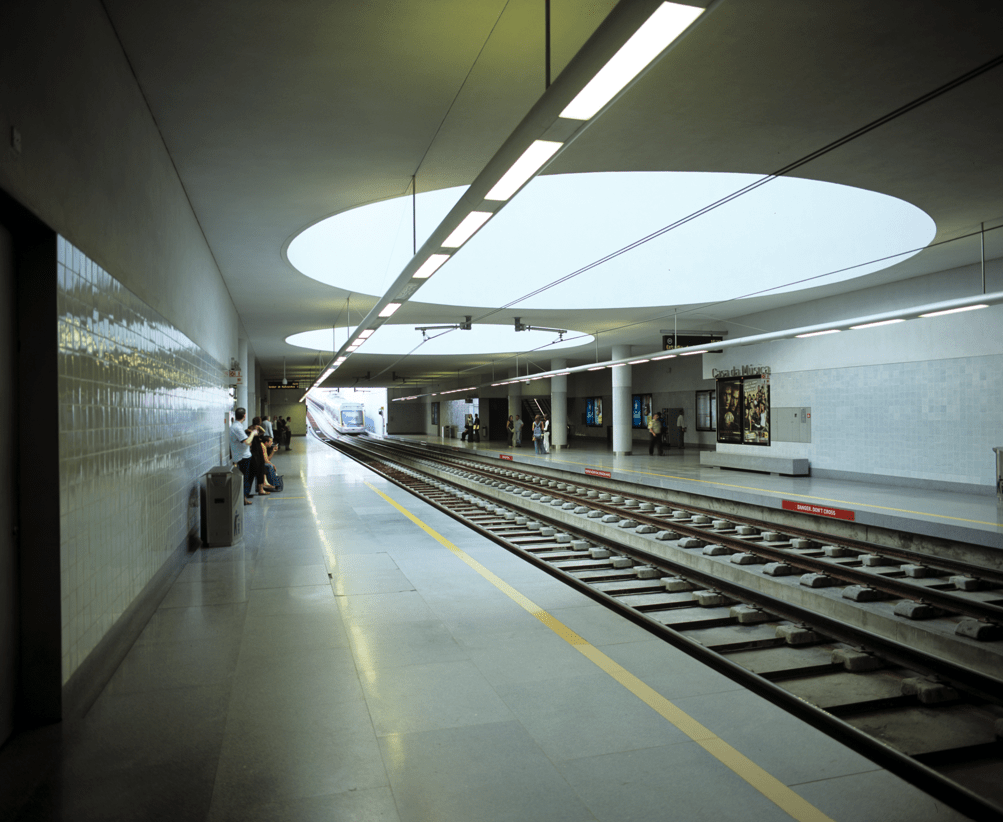
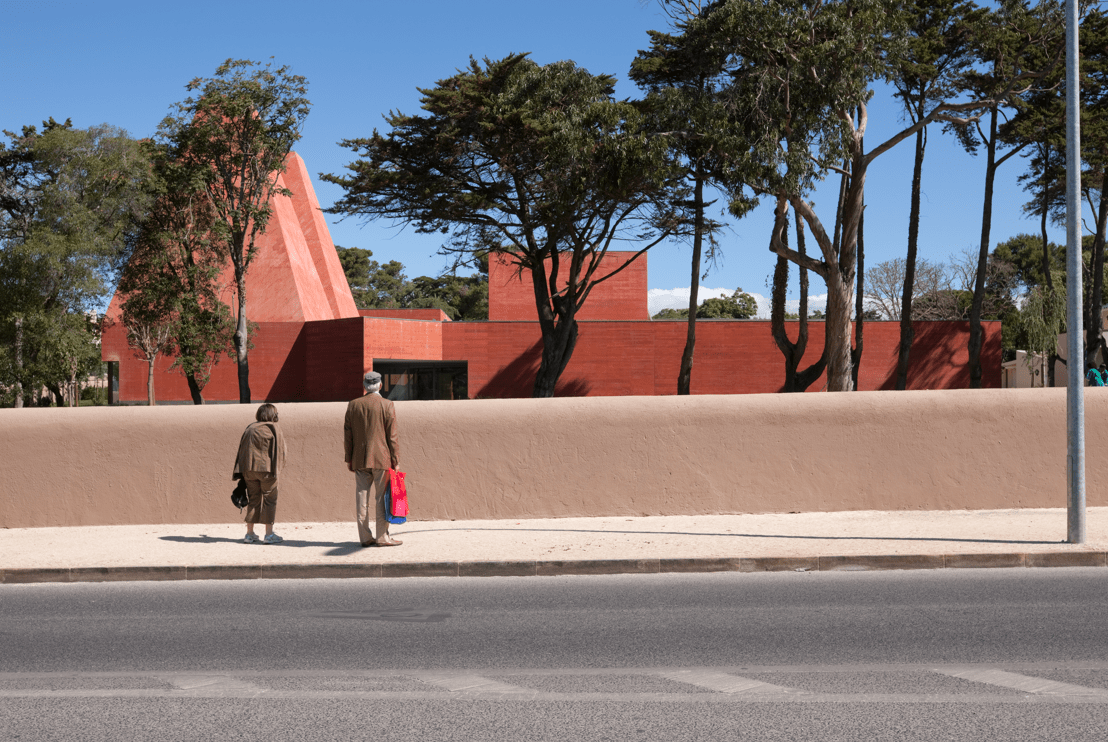
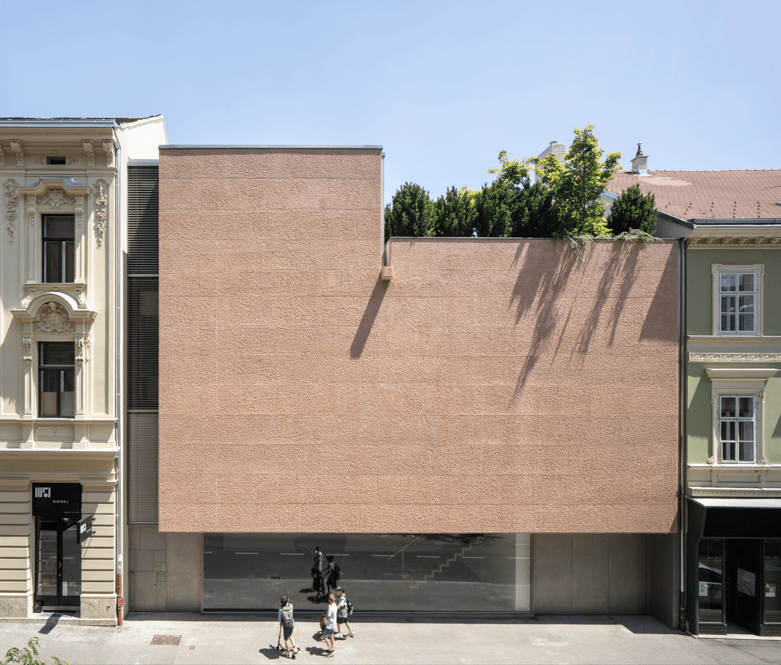
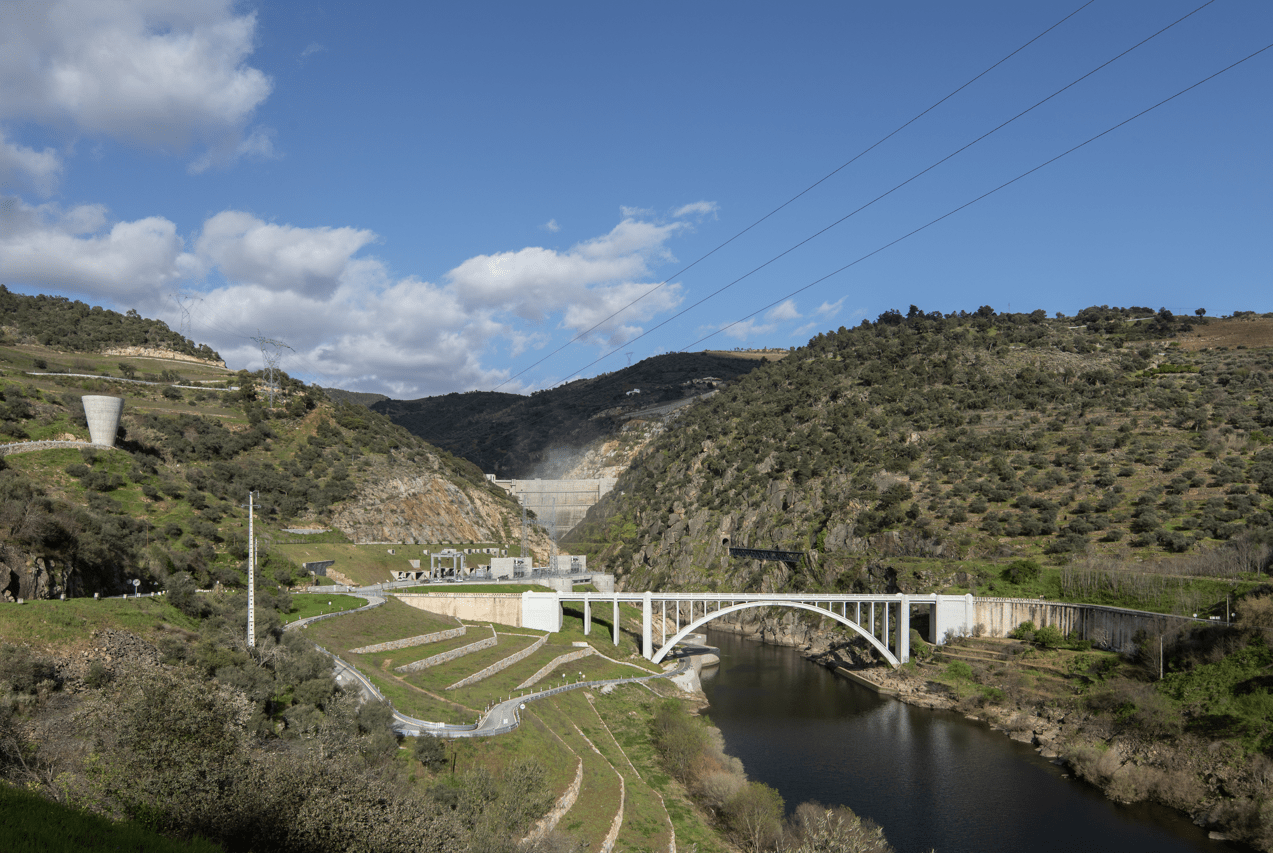
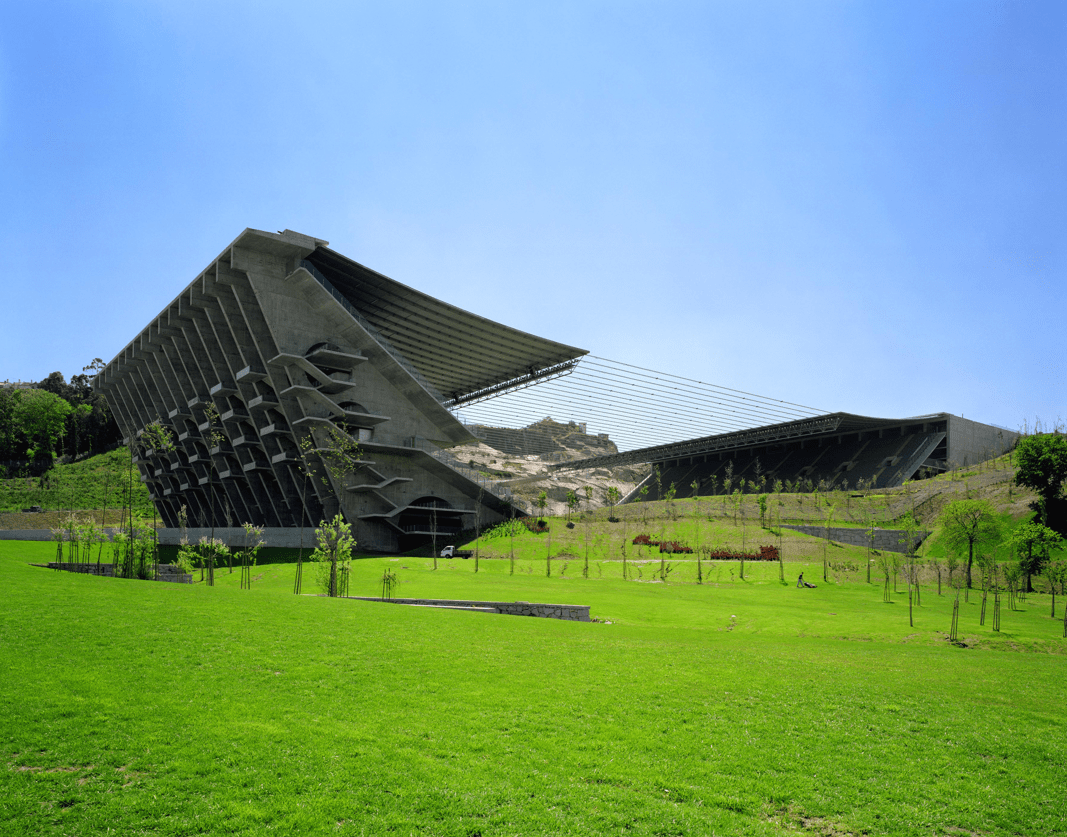
Over more than four decades, Souto de Moura has cultivated a body of work of remarkable breadth, spanning domestic architecture, cultural institutions, infrastructure, and urban interventions. His projects are distinguished by a precise understanding of construction, a refined use of materials, and an ability to establish essential relationships between architecture, landscape, and time.
Internationally acclaimed, he was awarded the Pritzker Prize in 2011, followed by the Wolf Prize in Architecture in 2013 and the Golden Lion at the Venice Architecture Biennale in 2018. These distinctions recognise a practice that combines conceptual clarity with technical mastery, and that consistently reaffirms architecture as a cultural act of lasting significance.
Through both his built work and his teaching, Eduardo Souto de Moura has demonstrated a steadfast commitment to the discipline of architecture, advancing a body of work that is at once rigorous, sensitive, and profoundly engaged with the complexities of the contemporary world.
Jury’s remarks
In a generation of extraordinarily talented architects, the decision to award this year’s International Union of Architects Gold Medal to Eduardo Souto de Moura is all the more notable. He is a giant in the company of greatness, and this medal is a fitting recognition of a body of work defined by intelligence, restraint, and a deep sense of responsibility to humanity.
For Souto de Moura, architecture has always been about defining how we live, and in his world, we live with beauty, clarity, and dignity. His work elevates the human spirit not through spectacle, but through rigour. Each building is the result of careful thought, precision, and a refusal to accept anything unnecessary. His architecture never shouts for attention, but sits quietly in the landscape, confident and composed, and it is precisely this restraint that gives it lasting emotional resonance.
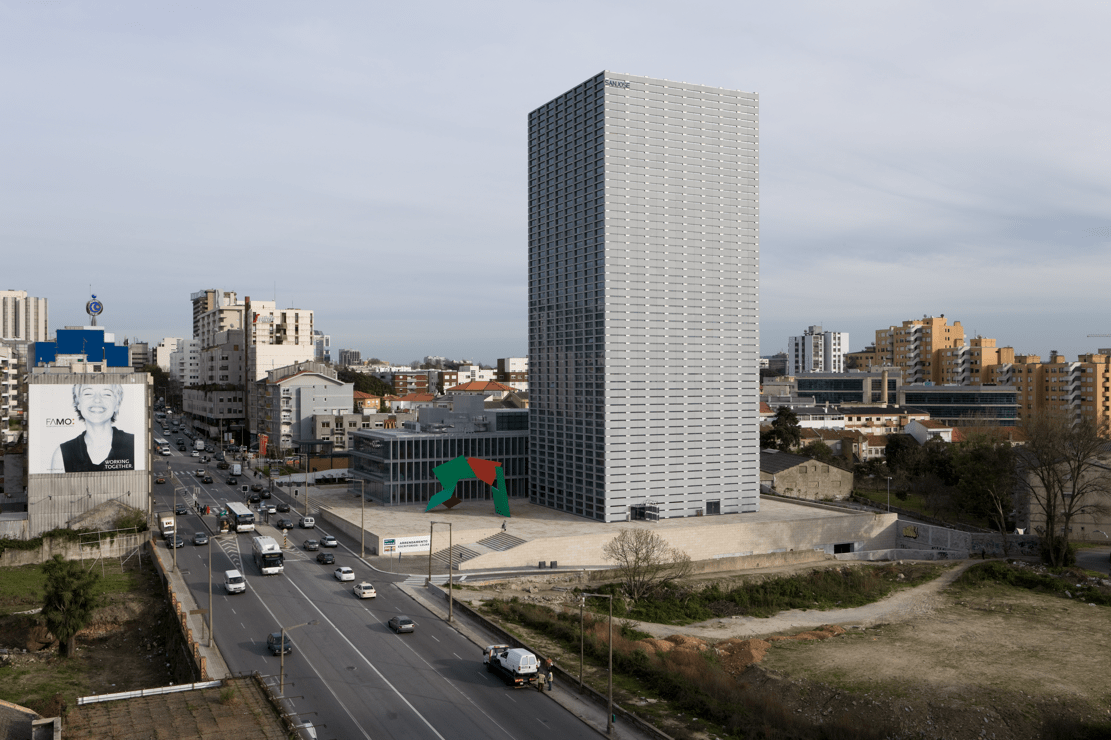
The House in Bom Jesus, Braga, is a poetic ode to nature and to life itself, where the built form feels inseparable from the terrain it inhabits. This same sensitivity is present across the breadth of his work, from the Casa das Artes in Porto, where civic presence and intimacy are held in perfect balance, to monumental office buildings and towers, where scale, gravity, and proportion are handled with extraordinary control. These projects demonstrate an architect entirely at ease with complexity, yet never seduced by it.
Souto de Moura’s technical mastery matches his artistic expression. He consistently achieves the near-impossible of crafting buildings that feel effortless, inevitable, as though they could only exist in the form they take. This clarity is the result of decades of disciplined thinking, deep knowledge of construction, and an unwavering commitment to architecture as a serious cultural act.
Beyond the work itself, there is a profound generosity that defines his contribution to the discipline. The donation of his archive to the Casa da Arquitectura as a learning resource is an act that reflects a man not led by ego, but by a belief in the collective advancement of architectural knowledge. He understands architecture as something to be shared, questioned, and built upon by future generations.
Eduardo Souto de Moura is as generous as he is brilliant. His work is not a passing moment or a stylistic statement tied to a particular time. It is enduring, thoughtful, and deeply human.
“The 2026 UIA Gold Medal recognises not only an extraordinary career but also a lasting contribution to architectural thought and practice worldwide.”